
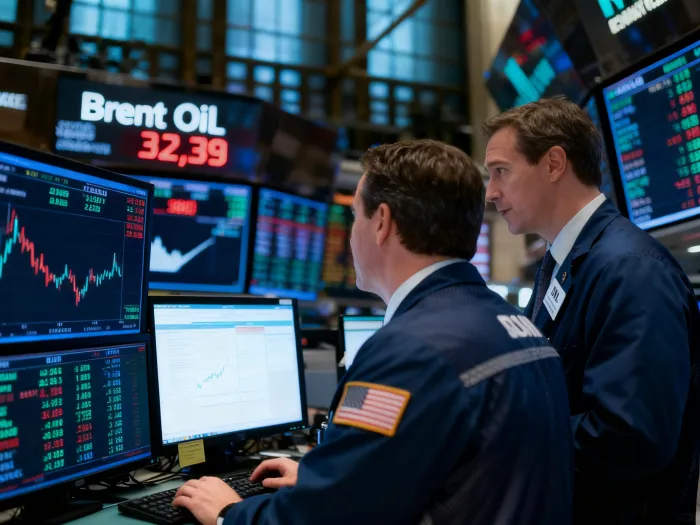
Brent crude oil prices have attracted significant attention following the recent resolution of the U.S. government shutdown, which had threatened to disrupt economic activity and energy demand. The market responded with a degree of stabilization, as Brent crude settled around $82.30 per barrel. Many sectors had anticipated a potential downturn in oil demand if the shutdown had continued, but the swift governmental agreement provided much-needed relief.
The United States remains one of the world’s largest consumers of oil, so its political stability plays a key role in shaping global market sentiment. With fears of reduced energy consumption temporarily eased, international traders have regained some confidence. This improvement has helped steady prices, though caution persists among investors who are closely monitoring other risks that could impact the market.
Despite the positive reaction, analysts emphasize that the oil market remains sensitive to further developments. The stabilization observed is viewed as provisional, with many stakeholders remaining watchful for shifts in policy or economic signals that could alter the demand landscape.
Lukoil’s ‘Force Majeure’ Adds Uncertainty to Global Supply Chains
While the U.S. shutdown resolution has calmed some concerns, new complications have emerged from Lukoil’s recent declaration of ‘Force Majeure’ on its oil deliveries from Iraq. Citing logistical difficulties, Lukoil’s move has heightened anxieties over global supply chain stability and sparked speculation about future price volatility.
This development comes at a time when oil markets are already grappling with unpredictable supply patterns. Lukoil’s decision could disrupt established production expectations, potentially reducing available supplies and driving up Brent crude futures if scarcity fears escalate. Traders are now weighing the long-term consequences of these disruptions and evaluating alternative sources to offset potential shortfalls.
Market analysts suggest that investors should proceed with caution and stay informed about supply chain updates. In times of uncertainty, it is essential for traders and stakeholders to monitor both regional developments and broader industry trends that could influence price movements.
Geopolitical Factors and OPEC Strategies Continue to Shape Oil Market Dynamics
The global oil market is influenced by an array of factors beyond immediate supply chain issues and domestic policy changes in major economies like the United States. Geopolitical events remain a significant driver of price fluctuations, with ongoing tensions in regions such as the Middle East contributing to market unpredictability.
OPEC’s production strategies are especially important in this context. Any significant policy changes or additional production cuts by OPEC member states can quickly shift market forecasts and affect Brent crude prices worldwide. The organization’s ability to manage supply disruptions and maintain stability is closely watched by investors seeking signals about future trends.
Recent analysis suggests that sustained geopolitical stability combined with effective management of supply chain challenges may help maintain current price levels or even lead to further stabilization. However, persistent regional conflicts and vulnerabilities within global logistics networks mean risks remain for both short-term and long-term investment strategies.
Investor Sentiment Remains Cautiously Optimistic Amid Ongoing Risks
Investor sentiment toward Brent crude oil has grown more optimistic following the resolution of the U.S. government shutdown, signaling potential growth in energy demand if other conditions remain favorable. This cautious optimism has helped support current price levels despite ongoing concerns about supply disruptions such as those posed by Lukoil’s actions in Iraq.
However, traders are adopting a watchful approach as unpredictability persists in both regional developments and global supply chains. The importance of staying informed through reliable resources is underscored during periods of heightened volatility. Advanced technologies, including AI-driven platforms like Meyka, offer valuable insights into real-time market changes and can assist investors in analyzing potential impacts on their portfolios.
As Brent crude oil markets continue to recover from recent shocks, vigilance remains essential for all participants. By keeping abreast of geopolitical shifts, supply chain updates, and strategic moves by major industry players, investors can better position themselves to make informed decisions in an uncertain environment.
Related topics: