
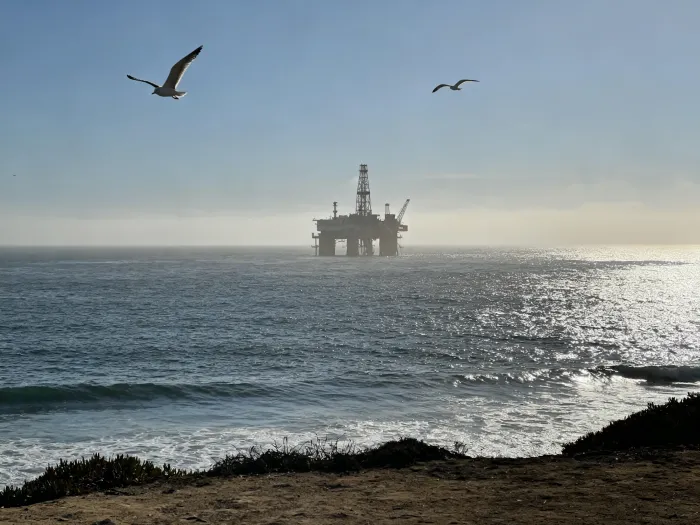
The Trump administration has released a draft proposal that could allow offshore oil drilling lease sales along the California coast for the first time in several decades. According to documents reviewed by The Washington Post, the plan outlines six lease sales between 2027 and 2030, marking a significant shift in federal energy policy. The initiative is part of a broader strategy to expand domestic oil production, which also includes potential drilling in the eastern Gulf of Mexico and extensive lease sales across offshore regions in Alaska through 2031.
The proposed expansion into California’s coastal waters has not occurred since the 1980s, and the draft map signals a new era for U.S. offshore energy development. The Interior Department, which oversees such projects, has yet to issue an official response regarding the proposal. Industry groups, led by the American Petroleum Institute, have argued that new drilling opportunities could create jobs and boost revenue. In a June letter, these organizations highlighted the untapped potential of California’s offshore resources, citing existing infrastructure as an advantage for rapid production ramp-up.
Strong Opposition from State Leaders and Environmental Advocates
The reaction from California officials has been swift and decisive. Governor Gavin Newsom condemned the plan, declaring it “dead on arrival” and vowing to block any attempts to open state waters to oil drilling. Newsom criticized what he described as preferential treatment for Florida’s coastline while targeting California for new energy development. He emphasized the risks associated with offshore drilling, calling it “expensive and risky,” and warned that it could threaten coastal economies dependent on tourism and fisheries.
California Attorney General Rob Bonta joined forces with attorneys general from nine other states to formally oppose offshore drilling along both Atlantic and Pacific coasts. In a public statement, Bonta accused President Trump of prioritizing oil industry interests over scientific evidence and environmental protection. He pledged to resist any actions that would expand drilling in sensitive coastal areas.
Environmental groups have voiced similar concerns, particularly regarding plans to drill in remote regions like Alaska’s High Arctic. Experts warn that these areas are extremely fragile and ill-equipped to handle oil spills due to their remoteness and harsh conditions. Valerie Cleland of the Natural Resources Defense Council noted that cleanup efforts would be nearly impossible if an accident occurred there.
Industry Perspectives and Economic Considerations
While energy companies have expressed support for expanded drilling in regions such as the Gulf of Mexico—where infrastructure is well-developed and community support is strong—the response to opening new areas like California remains uncertain. Ben Cahill, an energy markets scholar at the University of Texas at Austin, pointed out that decades of limited exploration make it difficult to assess the true potential of offshore resources in these regions. He suggested that companies may hesitate to invest without clear data on profitability or resource availability.
Industry leaders argue that expanding offshore drilling could help maintain America’s energy dominance by tapping into unexplored reserves. They emphasize the need for new production sites as existing fields mature. However, logistical challenges persist, particularly in California where infrastructure for transporting oil is not as robust as in other regions like the Gulf.
Moreover, some companies worry about market conditions and whether oil prices will justify investment in new offshore projects. The federal government has not held lease sales on the Pacific Coast since the 1980s, adding another layer of uncertainty about industry interest and long-term viability.
Political Realities
The Trump administration’s proposal comes amid shifting political dynamics around energy development in coastal states. For drilling to proceed in areas like the eastern Gulf of Mexico, President Trump would need to reverse a moratorium issued during his first term that is set to remain until 2032. Coastal governors have generally opposed new offshore drilling due to environmental risks and potential impacts on tourism-based economies.
Observers note that while interest remains high for established regions like the Gulf Coast, efforts to open new territories—such as those off California or in Alaska’s High Arctic—face formidable legal, logistical, and political challenges. Valerie Cleland of NRDC remarked that political realities have changed, making the threat of expanded offshore drilling more tangible than in previous years.
If finalized, the offshore oil plan would be effective for five years but is still at least a year away from approval. Any new production resulting from lease sales would likely take several more years to materialize due to regulatory processes and infrastructure requirements. As debate continues over America’s energy future, stakeholders across government, industry, and environmental advocacy remain deeply divided over how best to balance economic growth with long-term environmental stewardship.
Related topics: