
The U.S. Energy Information Administration (EIA) has released recent reports indicating that gasoline prices in the United States are expected to remain elevated well into 2027, despite the reopening of the strategic Strait of Hormuz. This vital waterway, crucial for global oil shipments, is set to resume commercial navigation following a peace agreement between the U.S. and Iran. However, according to EIA forecasts, consumers should not anticipate a rapid drop in fuel costs.
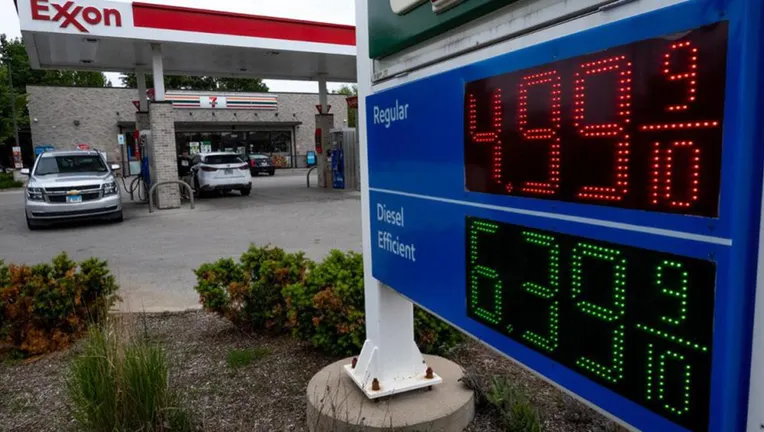
The EIA’s short-term outlook projects only a modest decline in gas prices between the second and third quarters of 2026, estimating an average reduction of just seven cents per gallon. Gasoline prices are expected to fall below $4 per gallon only in the fourth quarter of this year, reaching approximately $3.83 per gallon. Prices will then fluctuate in 2027, rising again in spring before easing later in the year. Even by the end of 2027, the average price is forecasted to remain about 25 cents higher per gallon than at the start of 2026.
This prolonged period of high prices comes despite the anticipated reopening of the Strait of Hormuz, which had been closed due to hostilities between the U.S. and Iran. The closure had blocked thousands of ships from passing through, impacting global oil supply chains. The peace deal signed recently signals a return to normal maritime traffic, but supply and demand dynamics and other market factors continue to exert upward pressure on fuel costs.
In parallel with these fuel price trends, the EIA reported a record surge in U.S. energy exports for 2025. Total energy exports reached an unprecedented 31 quadrillion British thermal units (quads), marking a 2% increase over the previous year’s record. Meanwhile, imports dropped by 5% to 21 quads, resulting in net energy exports hitting a historic high of 11 quads—20% above the prior record.
Petroleum remains the dominant component of U.S. energy exports, accounting for 63% of total exports last year—the largest share recorded since at least 1999. Natural gas exports also reached a record level at 9 quads, making up nearly 29% of total exports. This growth reflects sustained increases in domestic crude oil production and expanded liquefied natural gas (LNG) infrastructure.
The rise in LNG exports has been particularly significant due to heightened international demand following geopolitical shifts such as Russia’s invasion of Ukraine in early 2022. European countries seeking alternatives to Russian gas have turned increasingly to American LNG supplies. The United States now serves customers across North America, Europe, and Asia, demonstrating its expanding role as a major global energy supplier.
Canada continues to be an important partner for natural gas imports into the U.S., helping stabilize markets during peak demand periods like cold winters. The EIA’s data highlights how structural changes in domestic energy production and infrastructure over the past decade have reshaped U.S. energy trade dynamics.
Overall, while increased energy exports signal strength in American energy production and trade balance improvements, consumers should prepare for sustained higher gasoline prices over the next year and beyond as global market conditions adjust post-conflict.