
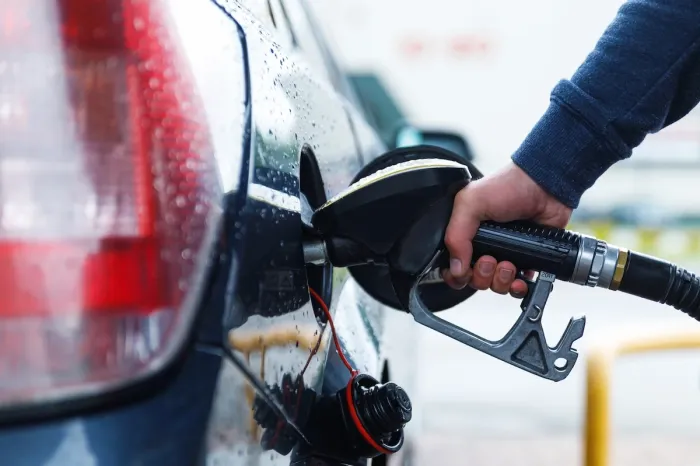
Gasoline prices across the United States have fallen for the fourth consecutive week, offering some relief to motorists during the peak summer travel season. According to recent data from GasBuddy, the national average price of gasoline dropped by 17.9 cents last week to $4.09 per gallon, marking a total decrease of 45.2 cents from a month ago. Despite this downward trend, prices remain over one dollar higher than they were a year ago.
The continued decline in pump prices is largely attributed to falling crude oil prices, which have approached $90 per barrel, and increased refinery output following seasonal maintenance shutdowns. Patrick De Haan, head of petroleum analysis at GasBuddy, noted that these factors have exerted downward pressure on gasoline prices, providing drivers with a temporary reprieve. However, he cautioned that geopolitical tensions, particularly the ongoing closure of the Strait of Hormuz, could tighten global oil supplies and cause prices to spike again.
Regional differences in gasoline prices remain significant. States such as Indiana, Texas, and Oklahoma report some of the lowest average prices at around $3.40 to $3.60 per gallon. In contrast, California, Washington, and Hawaii continue to experience the highest costs, with prices exceeding $5.50 per gallon in some areas. The Energy Information Administration (EIA) also reported that as of early June, the West Coast has the highest regional gasoline prices at $5.36 per gallon, while the Gulf Coast maintains the lowest average price near $3.64 per gallon.
Gasoline demand has seen a slight increase recently, rising from 8.59 million barrels per day to 8.73 million barrels per day last week according to EIA data. Meanwhile, domestic gasoline supply remains steady with a slight uptick in production averaging 9.7 million barrels daily. U.S. crude oil inventories have decreased by 7.2 million barrels but still stand about 5% below the five-year average for this time of year.
Alongside traditional fuel markets, electric vehicle (EV) charging costs have also been monitored closely. The national average price for public EV charging increased marginally by one cent last week to 42 cents per kilowatt hour. There are wide disparities in EV charging costs across states, with West Virginia and Hawaii among the most expensive locations and Kansas and Missouri among the least costly.
While falling gasoline prices are welcome news for many consumers and businesses alike, some sectors continue to feel financial pressure due to previous high fuel costs. For example, businesses in Arkansas report that despite recent price drops, fuel expenses remain a significant challenge for operations.
Overall, U.S. gasoline prices have eased from recent highs but remain elevated compared to previous years. Market watchers emphasize that future price movements will depend heavily on geopolitical developments and global oil supply conditions. For now, drivers benefit from lower pump prices but should be prepared for potential volatility ahead.