
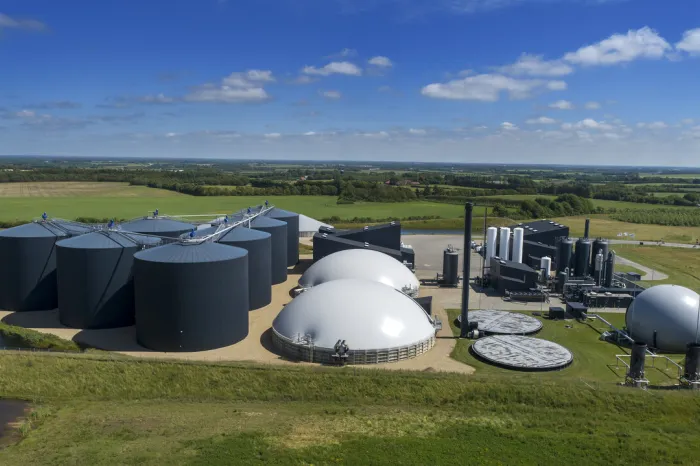
Two leading Italian companies, Fedrigoni Group and Ahlstrom, are making significant moves to reduce their reliance on fossil natural gas by securing long-term biomethane supply agreements. These initiatives aim to lower carbon emissions and enhance energy resilience amid growing concerns over fossil fuel volatility. Fedrigoni, a prominent paper manufacturer, has partnered with Verdalia Bioenergy, CH1, and Bio.Methane.Hub to cover approximately 40% of its gas needs with biomethane. This shift is already in effect at its Varone plant in Trentino and is expected to cut the company’s carbon footprint by between 30% and 50%.
The decision comes as part of a broader strategy to reduce exposure to geopolitical risks tied to fossil fuels, especially given recent global tensions affecting energy markets. Stefano Zanoni, Group Head of Energy Transition at Fedrigoni, emphasized that sustainable energy transition efforts must also strengthen business competitiveness and operational resilience for both the company and its customers.
Similarly, Finland-based Ahlstrom has signed multi-year biomethane supply contracts covering its seven production plants in Italy. This move replaces fossil natural gas usage and directly lowers Scope 1 emissions across its Italian operations. The agreements are projected to reduce carbon emissions by around 44% across Ahlstrom’s industrial activities in the country. Juan García-Marquina Prieto, Vice-President of Energy Procurement and Energy Transition at Ahlstrom, highlighted that substituting natural gas with biomethane allows for immediate and scalable reductions in CO2 emissions while utilizing existing infrastructure.
Marco Bellezza, Head of Special Projects at Ahlstrom, described this transition as a practical step that supports local operations and aligns with the company’s climate goals. Both companies demonstrate how industrial firms can contribute to carbon reduction targets by integrating renewable alternatives such as biomethane into their energy mix.
These developments reflect a growing trend among European industries seeking cleaner energy sources to meet climate commitments while managing supply risks tied to traditional fossil fuels. By embracing biomethane, Fedrigoni and Ahlstrom not only reduce their environmental impact but also improve their long-term energy security.
The use of biomethane—a renewable gas produced from organic waste—represents a promising pathway for decarbonizing sectors heavily dependent on natural gas. As these companies lead by example, they pave the way for broader adoption of renewable gases in manufacturing processes across Europe.