
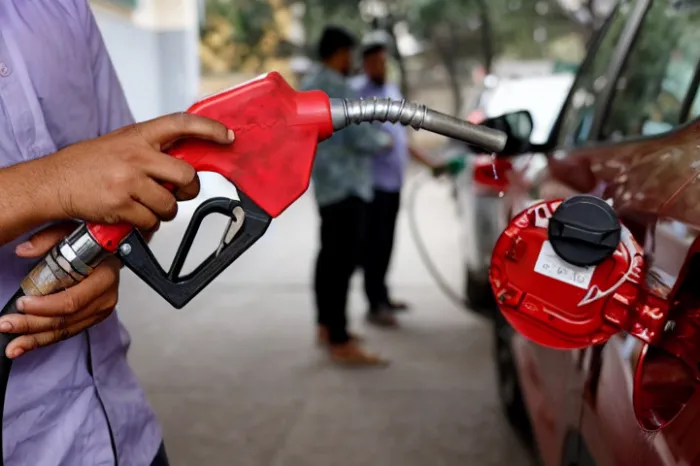
The Crimean administration under Russian control has introduced strict rationing on premium A-95 gasoline as the region faces an acute fuel shortage. Starting at 9 a.m. local time on May 30, residents are restricted to purchasing a maximum of 20 liters of A-95 gasoline daily. This measure aims to prevent panic buying and preserve the dwindling fuel stocks amid a growing energy crisis on the peninsula.
Sergei Aksyonov, the head of Crimea’s occupation government appointed by Russia, announced the rationing rules via his Telegram channel. He urged locals to avoid hoarding fuel or making early purchases, encouraging drivers to continue refueling in their usual manner. Similar rationing has already been enforced in Sevastopol, where long queues at gas stations have become common and daily limits per vehicle are strictly observed.
Public transportation operators have also raised alarms over critically low diesel reserves. They warned that diesel distribution might soon switch to a tightly controlled coupon system to manage the scarce supplies more effectively. Analysts link the worsening fuel crisis directly to the disruption of key supply routes into Crimea.
Fuel deliveries to Crimea primarily depend on a land corridor passing through occupied southern Ukraine. This route has become Russia’s main logistical channel following interruptions to maritime and rail connections. However, Ukrainian forces have launched targeted attacks using loitering munitions and reconnaissance drones, successfully destroying several Russian fuel tankers, cargo trucks, and armored logistics vehicles traveling along the highway connecting Berdyansk, Melitopol, and Dzhankoi.
Ivan Fedorov, Governor of Ukraine’s Zaporizhzhia region, confirmed that this vital transit corridor is no longer safe for Russian convoys. He stressed that every Russian military vehicle on this route is now a valid target for Ukrainian defense units. The effective severance of this supply line has left Crimea isolated from overland fuel shipments.
With the primary land route cut off, experts warn that fuel rationing could soon extend beyond premium gasoline to include other types unless Russia establishes new maritime supply channels protected from Ukrainian drone attacks. This escalating crisis highlights the significant logistical challenges faced by the occupying authorities as they struggle to secure essential energy resources amid intensifying operational obstacles in Crimea.