
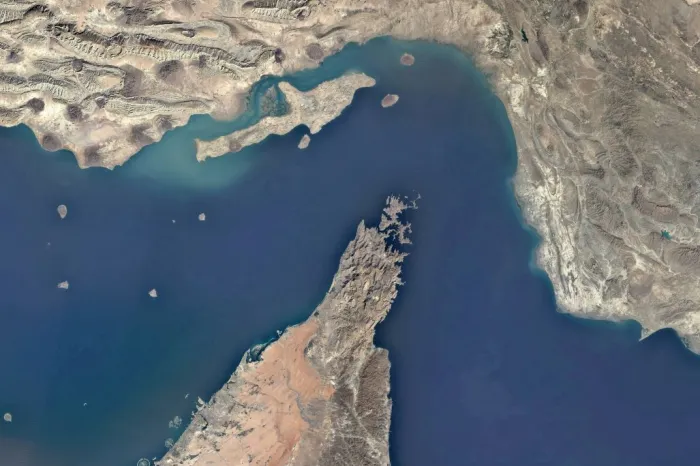
Global leaders from major international institutions have expressed deep concern over the escalating conflict in the Middle East, highlighting its severe impact on worldwide energy supplies. The confrontation involving the United States and Israel against Iran has disrupted vital shipping lanes, particularly the Strait of Hormuz, a critical passage for oil and gas exports. This disturbance has triggered instability in global markets, putting the reliable flow of energy resources at significant risk.
Economic and Energy Challenges Raised by International Bodies
Top officials from the International Energy Agency (IEA), International Monetary Fund (IMF), World Bank, and World Trade Organization (WTO) recently gathered to evaluate the economic consequences stemming from the ongoing conflict. While they acknowledged that the global economy remains somewhat resilient, they warned that vulnerable and low-income nations are disproportionately affected by rising fuel prices, escalating fertilizer costs, and heightened market uncertainty. These pressures are exacerbating difficulties related to employment rates and overall economic stability in these regions.
Strait of Hormuz: A Critical Energy Lifeline Under Threat
A primary focus during these discussions was the disruption at the Strait of Hormuz, which serves as a crucial conduit for transporting a large share of the world’s oil supply. Experts caution that if normal operations are not restored promptly, global oil reserves could be depleted rapidly just as demand intensifies during the summer months in the Northern Hemisphere. Such a scenario could lead to widespread fuel shortages and increased price volatility, undermining economic resilience on a global scale.
Geopolitical Tensions Spur Talks of Diplomatic Resolution
The conflict’s ripple effects have unsettled financial markets and raised pressing concerns about long-term energy security. U.S. officials have indicated potential progress toward a ceasefire with Iran that may include reopening essential shipping routes and restricting Tehran’s nuclear program. Achieving such a diplomatic agreement could ease regional tensions considerably and help stabilize energy supplies critical to international markets.
Wider Consequences for Global Energy Reliance
Energy analysts emphasize that disruptions in Middle Eastern oil exports have broad implications given many countries’ heavy dependence on this region’s resources. Rising energy costs also drive up fertilizer prices, which directly impacts food production and disproportionately harms vulnerable populations worldwide.
Urgent Calls for Diplomatic Action and Economic Stability
International organizations continue to closely monitor developments while urging intensified diplomatic efforts to swiftly resolve the conflict. They stress that maintaining open maritime trade routes and dependable energy supplies is essential not only for fostering global economic growth but also for safeguarding jobs across diverse sectors. Balancing geopolitical tensions with energy security remains a paramount concern for policymakers around the world.