
Many countries are facing the challenge of meeting rising energy demands while reducing environmental harm and maximizing the value of natural resources. This balancing act is especially tough for developing nations, where limited resources and expertise make it harder to manage energy production efficiently. One major issue is the large amount of natural gas—mainly methane—that is wasted each year through leaks, flaring, and venting during oil and gas operations worldwide. In 2024, gas flaring reached its highest level since 2007, releasing about 151 billion cubic meters of gas into the atmosphere, a volume similar to the total gas consumption across Africa.
Methane leaks from oil and gas activities also remain high, with over 80 million tonnes emitted in 2025 according to the International Energy Agency. Much of this waste occurs far from populated areas and often goes unnoticed. However, the environmental and economic impacts are significant. Flaring and venting not only contribute to climate change but also represent a huge loss of valuable energy resources. The wasted gas in 2024 alone was worth an estimated $19 to $63 billion globally.
Efforts to reduce this waste have gained momentum through initiatives like the World Bank’s Global Gas Flaring Reduction Partnership (GFMR). Since its launch at COP28 in Dubai, GFMR has supported 17 countries responsible for a large share of global methane emissions and gas flaring. For example, in Uzbekistan, low-cost measures to detect and repair leaks have already cut methane emissions by thousands of tonnes annually, saving millions of dollars in lost gas revenue. Similarly, Indonesia’s collaboration with Pertamina has demonstrated that leak detection campaigns can quickly reduce emissions at major facilities.
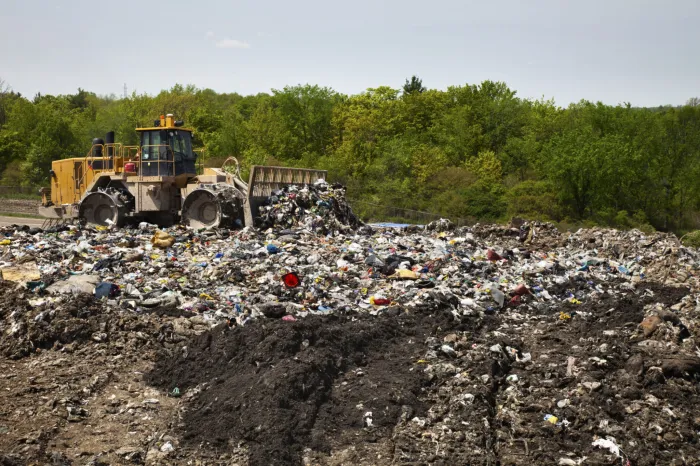
Beyond oil and gas operations, converting landfill emissions into usable natural gas offers another promising way to generate clean energy and reduce greenhouse gases. In South Carolina, companies like Pacolet Milliken have been capturing methane from landfills for over a decade, turning it into electricity for local communities. Their facilities produce enough power to supply thousands of homes across multiple counties.
Recognizing the benefits, South Carolina recently introduced tax incentives to encourage more companies to invest in landfill gas projects. The new law offers credits worth up to 25% of equipment costs for converting landfill gases into renewable natural gas, with the credits available until 2030 and allowing carryforward for unused amounts. While the energy produced by these projects is smaller compared to large natural gas plants, they play an important role in supporting local economies and promoting green initiatives.
Landfills are often seen only as waste disposal sites, but they also have the potential to contribute positively to environmental health by generating renewable energy. Capturing methane from waste not only reduces harmful emissions but also creates jobs and supports sustainable development. With growing support from governments and international partnerships, turning wasted natural gas from both oil operations and landfills into valuable energy resources is becoming a key strategy for improving energy security and protecting the environment worldwide.