
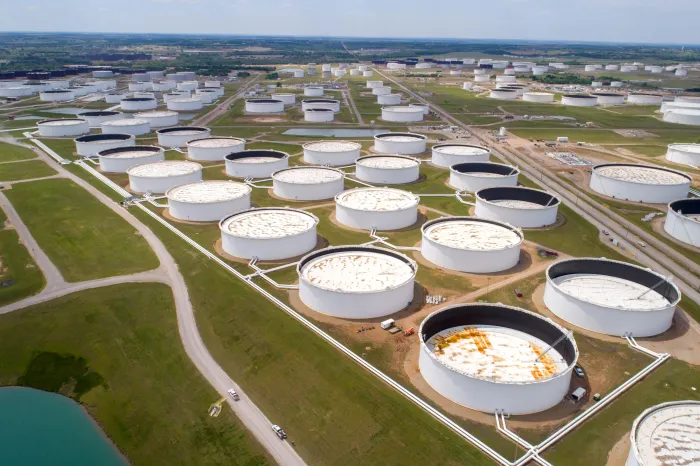
The latest data from the U.S. Energy Information Administration (EIA) reveals significant developments in global oil reserves and supply dynamics, with Iran standing out as a major holder of strategic oil stocks. Despite ongoing international sanctions, Iran has increased its oil reserves to 74 million barrels, placing it sixth worldwide among countries with strategic oil storage. This marks a rise of 3 million barrels compared to the previous quarter and positions Iran ahead of several major economies including the United Arab Emirates, France, Spain, and India.
China remains the world leader with over 1.5 billion barrels in reserves, reflecting a 10% increase in the first quarter of 2026 as it prepares for potential disruptions in regional energy supply routes. Other top holders include the United States with approximately 413 million barrels, Japan at 263 million barrels, Saudi Arabia at 88 million barrels, and South Korea holding 78 million barrels. Notably, Iran’s reserves are more than three times those of India, underscoring its growing influence in global energy security.
The EIA also reported a sharp decline in global crude inventories driven by ongoing conflict in the Middle East. In its revised Short-Term Energy Outlook, the agency projected a daily drop of 2.6 million barrels on average for 2026, a significant increase from its earlier estimate of a 300,000 barrel daily decrease. The conflict has caused key oil producers in Iraq, Saudi Arabia, Kuwait, the UAE, Qatar, and Bahrain to curtail production by an estimated combined total of over 10 million barrels per day in April and May.
This tightening supply has been compounded by the U.S. blockade affecting Iranian exports and anticipated reductions in Iranian output. The EIA forecasted Brent crude prices to average $106 per barrel during May and June before easing to $89 per barrel by the end of the year if Middle Eastern production recovers as expected. However, if the Strait of Hormuz remains closed longer than currently assumed, oil prices could surge by approximately $20 per barrel above forecasted levels.
In addition to supply constraints, global oil demand growth has been revised downward from an expected increase of 600,000 barrels per day to around 200,000 barrels per day for this year. This reflects a cautious outlook amid geopolitical uncertainties and shifting market dynamics.
On the U.S. front, crude inventories fell by 7.9 million barrels for the week ending May 15, exceeding analyst expectations and contributing to volatility in crude oil futures prices. The Strategic Petroleum Reserve also declined by nearly 10 million barrels during that period.
Furthermore, Iraq’s crude oil exports to the United States dropped significantly last week by about one-third to an average of 67,000 barrels per day. This decline shifted Iraq from being the sixth-largest supplier to eighth place among U.S. crude import sources. Canada remains the top supplier with nearly 3.8 million barrels per day.
These developments underscore ongoing challenges in the global oil market amid geopolitical tensions and supply disruptions. Iran’s substantial strategic reserves strengthen its geopolitical position while global inventories continue to tighten faster than previously projected. Market participants remain watchful of Middle East developments that could further impact supply routes and pricing.