
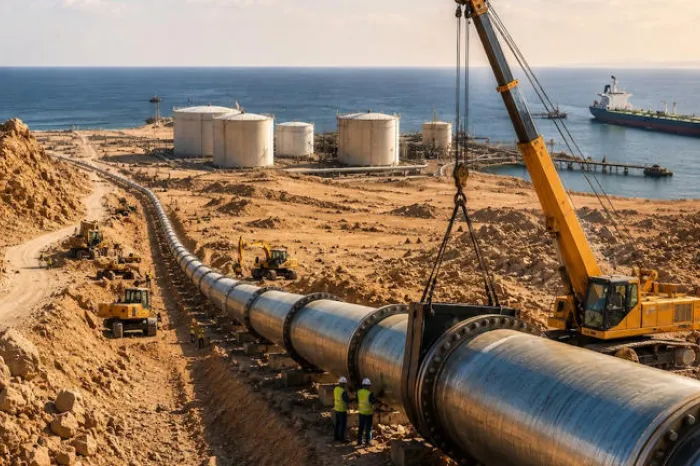
The United Arab Emirates is making significant progress on a strategic oil pipeline designed to bypass the geopolitically sensitive Strait of Hormuz. Now halfway through construction, this vital infrastructure will provide a safer and more reliable route for transporting crude oil from the UAE’s inland fields directly to ports along the Gulf of Oman. By circumventing the narrow and often tense Strait of Hormuz, the pipeline aims to mitigate longstanding security risks that have threatened the steady flow of oil exports from the region.
Strategic Significance of the Hormuz Alternative
The Strait of Hormuz serves as a critical maritime chokepoint, funneling nearly 20% of the world’s petroleum shipments. Its importance has made it a hotspot for geopolitical friction, exposing oil tankers to potential disruptions amid regional conflicts or political instability. The UAE’s decision to invest in an alternative export route highlights a proactive strategy to shield its energy supply chain from these vulnerabilities and ensure uninterrupted access to global markets.
Regional Energy Security Efforts Among Gulf States
This pipeline project is part of a broader push within the Gulf Cooperation Council (GCC) to diversify export pathways and strengthen energy security. Saudi Arabia’s state-owned Aramco has pursued similar initiatives, exploring routes through the Red Sea to avoid reliance on the Strait of Hormuz. These parallel efforts among OPEC members underscore a regional consensus on reducing exposure to geopolitical risks that could jeopardize oil shipments.
Enhancing UAE’s Export Capacity and Market Reliability
Upon completion, the pipeline will significantly increase the UAE’s oil export capacity while decreasing dependency on vulnerable maritime routes. This development reinforces the UAE’s role as a dependable energy supplier within OPEC and offers reassurance to international buyers navigating an unpredictable global energy landscape. The infrastructure is expected to reduce risks tied to maritime blockades or hostile actions, contributing to greater stability in global oil markets.
Economic Benefits and Market Stability Implications
Beyond securing export routes, the project is anticipated to stimulate economic growth by creating jobs and supporting industries connected to energy logistics. Analysts note that establishing alternative pathways enables Gulf producers to better manage supply fluctuations and maintain steady market flows during geopolitical tensions. This resilience is crucial for sustaining both regional economies and global energy security.
As geopolitical challenges continue, the UAE’s commitment to completing this pipeline bypassing the Strait of Hormuz reflects a forward-thinking approach to energy infrastructure. Successful implementation will likely reshape global oil transportation routes and further cement the Middle East’s pivotal role in international energy supply chains.