
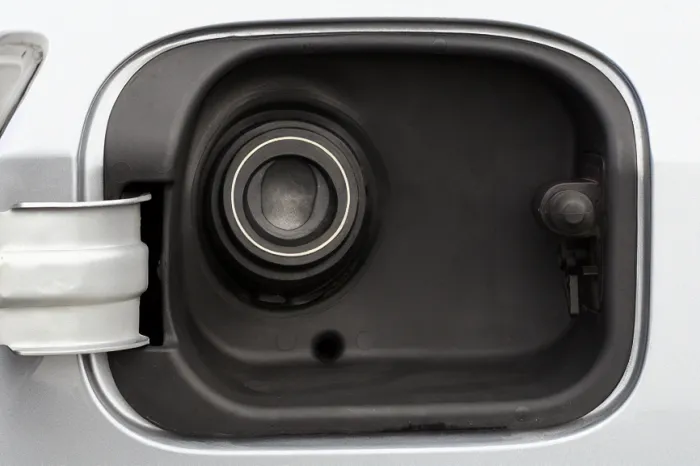
In recent years, the automotive industry has seen a significant shift in fuel filler design aimed at reducing gasoline theft. Ford pioneered this change with its introduction of the capless fuel filler system, first appearing on its GT sports car in the early 2000s. This innovation marked a departure from the traditional twist-off gas caps that have long been standard on vehicles.
The capless system, branded by Ford as Easy Fuel, was designed to make refueling simpler while simultaneously preventing unauthorized siphoning of gasoline. Unlike conventional caps, which can be removed and allow easy access for thieves to extract fuel using hoses or funnels, Ford’s system uses a spring-loaded trap door held by latches. This door only opens when a properly sized gas pump nozzle is inserted, closing automatically once refueling is complete.
Following its initial debut on the GT, the Easy Fuel system became more widely available with models like the 2008 Ford Explorer and Mercury Mountaineer. Other major manufacturers, including General Motors, Stellantis, and Honda, have since adopted similar capless designs, recognizing the dual benefits of convenience and security.
One key feature of these systems is their resistance to tampering. The filler neck will not open for diesel nozzles or generic funnels and hoses, which helps prevent both gasoline theft and misfueling. Additionally, modern vehicles equipped with capless fillers often incorporate anti-siphon valves and screens to further deter fuel theft attempts.
Despite these advances, some criminals continue to find ways to steal gasoline, especially as fuel prices rise. Incidents such as that of Tasi Malala in Scottsdale, Arizona highlight the lengths thieves will go to; Malala’s truck was targeted with both siphoning and a drilled hole in the gas tank, resulting in costly repairs exceeding $3,000.
While capless fuel fillers enhance security, they also bring certain challenges. For example, in emergency situations where someone might want to share gasoline or transfer it to a generator during power outages or severe weather conditions, the system’s design can complicate access. Additionally, issues like dust entering the filler area or flaps freezing in cold climates have been reported.
Nevertheless, the industry consensus is that capless fuel fillers represent an important step forward for internal combustion engine vehicles. They combine ease of use with improved protection against fuel theft and misfueling mistakes. As more automakers adopt this technology, drivers can expect greater convenience and security at the gas pump in the years ahead.