
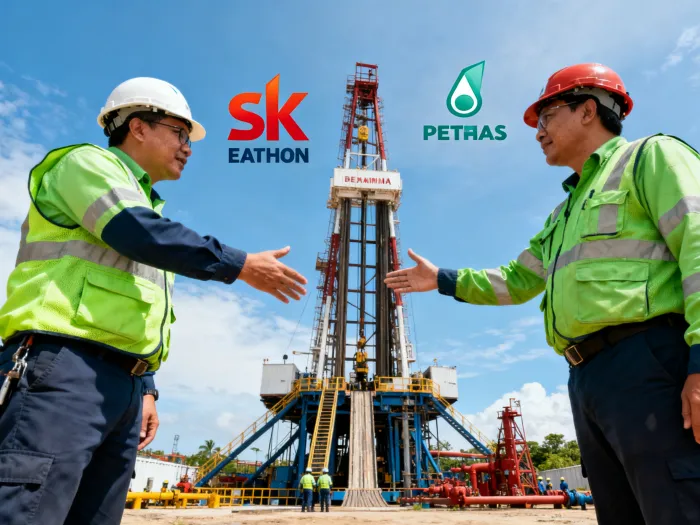
South Korea’s SK earthon, the oil and gas subsidiary of SK Innovation, has taken a significant step to broaden its reach in Southeast Asia’s energy sector by acquiring a 34% stake in the North Ketapang oil block located in Indonesia. This strategic investment is part of SK earthon’s ongoing efforts to secure stable energy resources and strengthen its position in one of the region’s most competitive markets. The North Ketapang oil block deal was finalized in collaboration with two prominent partners: Malaysia’s Petronas North Ketapang, which holds a majority stake of 51%, and Indonesia’s PT Pertamina Hulu Energi North Ketapang, owning the remaining 15%. While the financial terms of the transaction have not been publicly disclosed, the partnership signals a clear intent to leverage local expertise for increased efficiency and production.
By aligning with experienced regional players, SK earthon aims to optimize its operations and respond effectively to market demands. The move reflects a broader trend among Asian energy companies seeking opportunities in resource-rich areas, as global competition for reliable energy assets continues to intensify. SK Innovation’s commitment to Indonesia demonstrates its willingness to adapt to shifting market conditions while pursuing long-term growth.
Market Reaction and Investor Sentiment Amid Global Energy Shifts
Despite the strategic potential of the deal, investor response has been cautious. Following the announcement, SK Innovation’s stock experienced a nearly 1% decline, highlighting ongoing concerns about the risks associated with investing in fossil fuel projects during a period of significant volatility in global energy markets. Investors are increasingly scrutinizing oil expansion strategies as governments and corporations worldwide accelerate their focus on renewable energy sources and implement policies aimed at reducing carbon emissions.
This hesitation underscores the challenges faced by traditional energy companies in balancing profitability with sustainability. Market participants remain wary about the long-term prospects of oil investments, especially as fluctuating energy prices and regulatory pressures reshape industry dynamics. For SK Innovation, the acquisition serves as both an opportunity and a test case for navigating these complexities while maintaining shareholder confidence.
Indonesia’s Growing Role as a Regional Energy Hub
The decision by SK earthon to invest in Indonesia aligns with the country’s rising prominence as an energy hub within Southeast Asia. Indonesia offers abundant natural resources and has attracted increasing interest from global and regional energy players seeking stable supply sources. By partnering with state-backed entities such as Petronas and Pertamina, SK earthon can tap into established networks and benefit from local knowledge that enhances operational effectiveness.
Indonesia’s strategic location and resource wealth position it at the center of evolving supply chains that are crucial for meeting regional and global energy demands. As competition for secure energy assets grows, collaborations like this are likely to shape future supply patterns and contribute to long-term energy security across Asia. The partnership also highlights Indonesia’s ability to facilitate cross-border investments that support economic development while responding to environmental considerations.
Outlook for Asian Energy Companies
The expansion into Indonesia reflects a larger movement among Asian energy firms to diversify portfolios and seek growth beyond domestic markets. As renewable technologies gain traction and international climate commitments influence investment priorities, companies like SK Innovation must balance traditional oil ventures with efforts to innovate and adapt. Regional partnerships are becoming increasingly important for navigating regulatory environments, accessing new reserves, and building resilient supply networks.
Looking ahead, SK earthon’s investment may encourage similar deals across Southeast Asia as competitors strive to secure valuable assets amid changing market dynamics. The focus on partnerships with local stakeholders not only supports operational success but also helps address broader challenges related to sustainability and profitability. For investors, policymakers, and industry observers, developments in Indonesia will be closely watched as indicators of how Asian energy leaders respond to global shifts toward cleaner and more reliable energy solutions.