
Oil prices saw a notable surge of 5% at the end of October 2025 after the United States announced new sanctions targeting Russian oil companies. According to data from the World Bank, Brent crude closed at approximately $65 per barrel on October 29, marking a temporary rise against a backdrop of persistent market challenges. Throughout 2025, the oil market remained volatile, with prices generally declining due to ongoing trade policy tensions and worries about oversupply. Short-lived price increases occurred in response to significant geopolitical events, but these did not alter the broader downward trend.
The sustained drop in Brent crude prices led to Russian Urals crude falling below $60 per barrel, which had been the price ceiling since February 2025. In September, this ceiling was further reduced to $47.6 per barrel, reflecting increased pressure on Russian oil exports. These developments highlight how global political actions and market regulations continue to shape oil price movements.
Slowing Global Oil Demand Growth and Shifting Consumption Patterns
World oil demand showed only modest growth in 2025. Data indicates that global demand increased by just 0.8 million barrels per day (mb/d), or 0.7% year-on-year, during the third quarter—significantly slower than the average annual growth seen between 2015 and 2019. The World Bank estimates annual global oil demand will reach 103.8 mb/d in 2025, rising slightly to 104.5 mb/d in 2026.
In advanced economies, oil consumption is expected to remain steady without significant changes. However, China’s demand growth is projected to slow as electric and hybrid vehicle adoption accelerates, reducing reliance on traditional fuels. India remains a major driver of global oil demand growth, with increased consumption of LPG, gasoline, naphtha, and diesel supporting its expanding energy needs.
Oversupply Concerns Intensify as Production Outpaces Demand
Estimates for the third quarter of 2025 reveal an implied oil surplus—where supply exceeds demand—of approximately 2.7 mb/d. This surplus has been fueled partly by OPEC+ decisions to raise production targets multiple times since April. As a result, inventories have grown significantly; however, only about half of the implied surplus is reflected in inventory figures so far.
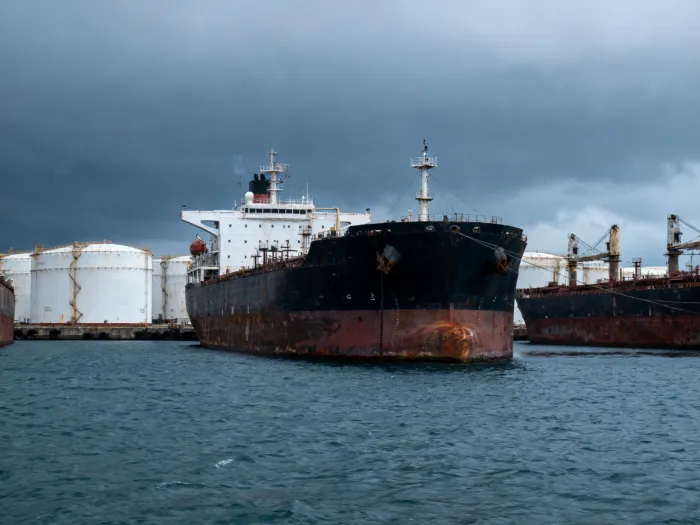
Recent market developments have reinforced concerns about a growing global oil glut. Several crude oil shipments from the Middle East have remained unsold, coinciding with an increase in idle oil tankers at sea. This situation highlights mounting challenges for producers trying to find buyers amid weakening demand growth and rising supply.
International Forecasts Point Toward Continued Surplus Into 2026
The International Energy Agency (IEA) projects that the annual oil surplus will reach 2.3 mb/d in 2025 and climb further to 4 mb/d in 2026—an increase of 1.6 mb/d compared with levels recorded during the pandemic in 2020. This anticipated growth in surplus signals continued pressure on global oil prices and underscores the impact of shifting energy consumption trends, ongoing trade disputes, and evolving regulatory environments.
In summary, while short-term geopolitical events can temporarily lift prices, structural issues like oversupply and slowing demand growth are likely to keep global oil markets under pressure through at least the next year.