
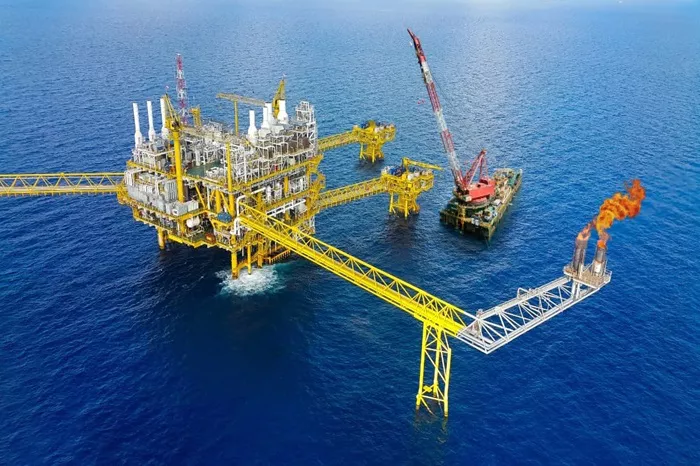
The Organization of the Petroleum Exporting Countries (OPEC) and its allies, collectively known as OPEC+, have been pivotal in shaping global oil markets through their production strategies. In 2025, OPEC+ has made significant adjustments to its production levels, impacting oil prices, market dynamics, and geopolitical relations. This article provides a comprehensive analysis of OPEC’s production decisions in 2025, examining the rationale behind these changes, their implications on global oil markets, and the broader economic and political consequences.
OPEC+’s Production Adjustments in 2025
Gradual Unwinding of Production Cuts
In a strategic move to balance global oil supply and demand, OPEC+ initiated a gradual unwinding of its production cuts in 2025. Starting in April, the alliance began to reverse its first tranche of voluntary cuts amounting to 2.2 million barrels per day (bpd). By August, this reduction was fully reversed, and in September, OPEC+ agreed to increase output by an additional 137,000 bpd, marking the beginning of the second phase of production adjustments Reuters+1.
Strategic Objectives Behind the Adjustments
The decision to adjust production levels was influenced by several factors:
Market Stability: OPEC+ aimed to stabilize oil prices by aligning production levels with global demand forecasts.
Economic Considerations: Sustained low oil prices had financial implications for oil-producing nations, necessitating adjustments to ensure economic stability.
Geopolitical Dynamics: Changes in global political landscapes, including trade policies and sanctions, influenced OPEC+’s production strategies.
Implications of OPEC+’s Production Decisions
Impact on Global Oil Prices
The adjustments in OPEC+’s production levels have had notable effects on global oil prices:
Price Fluctuations: The increase in production has contributed to fluctuations in oil prices, as markets respond to changes in supply dynamics.
Market Reactions: Investors and traders closely monitor OPEC+’s decisions, leading to short-term volatility in oil markets.
Effects on Non-OPEC+ Producers
OPEC+’s production adjustments have also impacted non-OPEC+ oil producers:
Supply Dynamics: Increased production from OPEC+ can influence global supply levels, affecting the market share of non-OPEC+ producers.
Investment Decisions: Fluctuating oil prices may lead non-OPEC+ producers to reconsider investment plans in exploration and production.
Geopolitical and Economic Consequences
The changes in OPEC+’s production strategy have broader geopolitical and economic implications:
Diplomatic Relations: Adjustments in production levels can affect diplomatic relations between oil-producing and consuming nations.
Economic Stability: For oil-dependent economies, changes in oil revenue due to production adjustments can impact fiscal policies and economic planning.
Future Outlook
Projections for 2026 and Beyond
Looking ahead, OPEC+ plans to continue monitoring global oil markets to inform future production decisions:
Production Targets: While specific targets for 2026 have not been finalized, OPEC+ aims to maintain a balance between supply and demand to support market stability.
Market Monitoring: Ongoing assessments of global economic conditions, technological advancements, and geopolitical developments will guide OPEC+’s production strategies.
Potential Challenges
Several challenges may influence OPEC+’s production decisions in the coming years:
Market Volatility: Unpredictable shifts in global demand and supply can lead to market instability.
Technological Innovations: Advancements in alternative energy sources may affect long-term oil demand.
Environmental Policies: Increasing emphasis on environmental sustainability could impact fossil fuel consumption patterns.
Conclusion
OPEC+’s production decisions in 2025 reflect a strategic approach to navigating complex global oil markets. By adjusting production levels in response to economic, geopolitical, and market factors, OPEC+ aims to maintain stability and ensure the economic well-being of its member nations. As the global energy landscape continues to evolve, OPEC+ will likely adapt its strategies to address emerging challenges and opportunities.
Related topics:
