
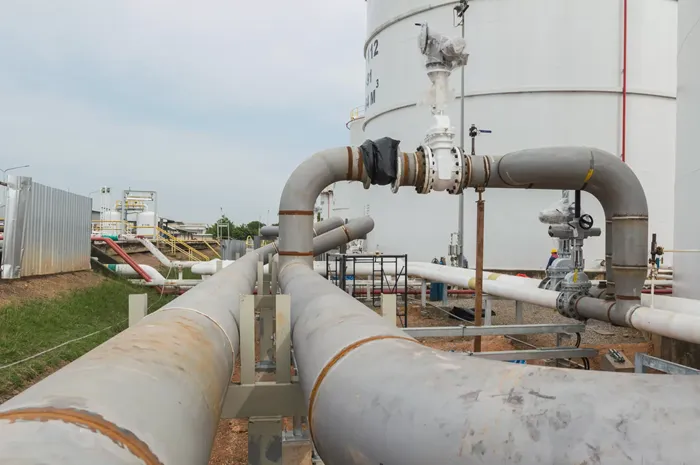
The Organization of the Petroleum Exporting Countries (OPEC) plays a pivotal role in the global oil market. Comprised of 13 member countries, OPEC collectively influences approximately 38% of the world’s crude oil production. This article delves into OPEC’s production statistics, examining historical trends, current figures, and future projections to provide a comprehensive understanding of its impact on the global energy landscape.
OPEC’s Crude Oil Production: Current Statistics
As of the latest data, OPEC’s crude oil production stands at approximately 29.43 million barrels per day (bpd), slightly down from 29.58 million bpd the previous month. This figure reflects a modest decrease of 0.50% month-over-month and a 0.12% increase year-over-year. The production levels are subject to fluctuations based on various factors, including geopolitical events, market demand, and internal agreements among member countries.
Historical Trends in OPEC’s Oil Production
Historically, OPEC’s production has experienced significant fluctuations. In 2024, global oil production declined by 1%, with OPEC contributing to this decrease. This was the first global production decline since 2020, averaging 72.58 million bpd. OPEC’s share of this production has varied over the years due to changes in member countries’ output and global market dynamics.
OPEC’s Role in Global Oil Supply
OPEC’s production constitutes a substantial portion of the world’s oil supply. In 2023, the top 10 oil-producing countries, including several OPEC members, accounted for 73% of global oil production, with the United States leading at 22%, followed by Saudi Arabia and Russia at 11% each. OPEC’s influence is further underscored by its control over a significant share of the world’s proven oil reserves, estimated at 79.5%.
OPEC’s Production Allocation and Compliance
OPEC employs a system of production quotas to manage its output and maintain market stability. These quotas are periodically reviewed and adjusted based on market conditions. For instance, in August 2025, OPEC+ countries agreed to a production adjustment of 411,000 bpd for June 2025, reflecting their commitment to balancing supply and demand. Compliance with these quotas is monitored through monthly meetings and reports, ensuring that member countries adhere to agreed-upon production levels.
OPEC’s Export Markets and Revenue
OPEC’s oil exports are primarily directed towards Asia, with approximately 71.9% of crude oil exports in 2024 heading to this region. Europe and the Americas also receive significant volumes, though to a lesser extent. In terms of revenue, OPEC members earned about $550 billion from crude oil exports in 2024, marking a 9% decline from the previous year. This decrease is attributed to various factors, including fluctuating oil prices and changes in global demand.
Future Projections and Challenges
Looking ahead, OPEC’s production is influenced by several factors, including global demand forecasts and internal agreements. For example, demand for OPEC crude is expected to reach about 28.8 million bpd in 2025, a slight increase from 2024 levels. However, the organization faces challenges such as declining field production rates and the need for substantial investment to maintain output levels. The International Energy Agency (IEA) has highlighted the necessity of investing approximately $500 billion annually to sustain current production levels, emphasizing the importance of continued investment in oil fields.
OPEC’s Strategic Initiatives
In response to market dynamics, OPEC has undertaken strategic initiatives to stabilize the oil market. These include voluntary production adjustments and compensation mechanisms for overproduction. For instance, in August 2025, OPEC+ countries reaffirmed their intention to fully compensate for any overproduced volumes since January 2024, demonstrating their commitment to market stability.
Conclusion
OPEC’s crude oil production is a critical component of the global energy market. Through strategic management of production levels, adherence to quotas, and responsiveness to market conditions, OPEC continues to play a significant role in shaping the dynamics of global oil supply. Understanding OPEC’s production statistics and strategies is essential for stakeholders across the energy sector to navigate the complexities of the oil market effectively.
Related topics: