
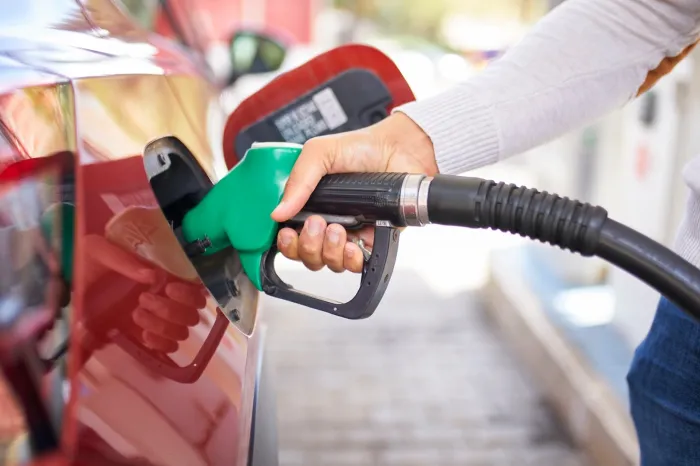
Gasoline prices are experiencing a complex pattern of changes as global developments and local market factors influence fuel costs. In the Philippines, the Department of Energy (DOE) announced adjustments effective June 16, 2026, with diesel and kerosene prices set to decrease, while gasoline prices may either drop or rise depending on the retailer and location. Diesel prices are expected to roll back by between 3.71 and 5.71 Philippine pesos per liter, kerosene by 0.50 to 2.50 pesos, and gasoline could see a rollback of up to 0.32 pesos or an increase of up to 1.68 pesos per liter.
These price movements follow significant hikes the previous week, which pushed gasoline prices up by 0.30 pesos per liter and diesel prices by as much as 5.77 pesos per liter. The year-to-date adjustments have resulted in net increases of over 45 pesos per liter for gasoline and diesel respectively, reflecting the impact of rising global oil costs on the country’s fuel supply.
The recent peace framework agreement between the United States and Iran has also influenced fuel price trends internationally. US gasoline prices dropped to about $2.90 per gallon, marking their lowest level since mid-April 2026, as hopes rise for normalized energy exports from the Middle East following the agreement. This deal is expected to reopen key shipping routes such as the Strait of Hormuz without transit fees once officially signed, easing supply concerns for Gulf oil producers.
However, challenges remain before full recovery in supply can be realized. Technical issues such as mine clearance and uncertainty over Iran’s shipping policies mean that stable flows of oil may take months to fully resume. These factors contribute to ongoing volatility in gasoline markets worldwide.
In addition to supply-side influences, inflationary pressures continue to affect related industries and consumer behavior. For example, the Producer Price Index (PPI) rose sharply by 6.5% year-over-year in May 2026, raising concerns about input costs for manufacturers like Nike. The athletic apparel company faces margin pressures partly due to disruptions in plastic and rubber supplies linked to Middle East conflicts and ongoing US tariffs on key production countries like Indonesia and Vietnam.
This combination of geopolitical developments, market adjustments, and inflation highlights the complex environment affecting gasoline prices today. Consumers may see differing price changes depending on their region and fuel retailers’ proximity to supply depots, while industries reliant on petroleum-based materials must navigate cost increases that influence pricing and profitability.
The Philippines currently holds an estimated fuel inventory sufficient for over 46 days across all types of fuels, including gasoline and diesel, providing some buffer against sudden shortages but still subject to global market fluctuations. Energy officials remain attentive to international developments that could further impact local pump prices.
As global energy dynamics evolve with peace talks and trade considerations, gasoline prices will likely continue to reflect a balance between recovering supplies and economic pressures from inflation and tariffs.