
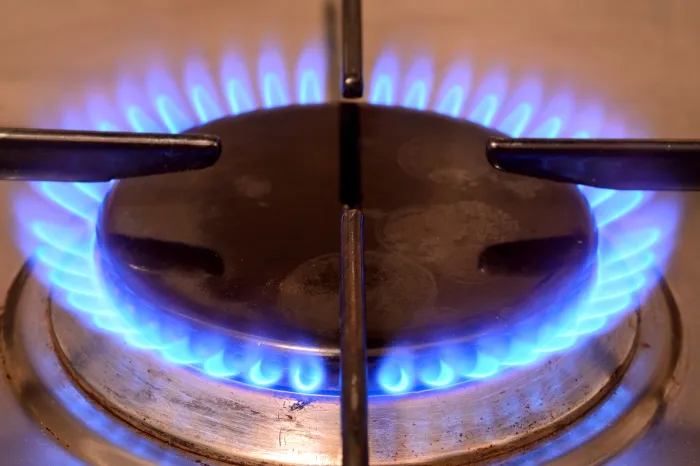
As the hurricane season approaches, energy experts are sounding the alarm on the critical need to assess and reinforce natural gas infrastructure to ensure both safety and uninterrupted supply. Natural gas plays a vital role in powering homes, businesses, and emergency services, making its reliability especially crucial during severe weather conditions. Authorities and utility companies are being called upon to carry out comprehensive inspections of pipelines, storage facilities, and distribution networks to identify vulnerabilities that hurricanes could exacerbate.
Infrastructure Vulnerabilities and Safety Measures
Natural gas systems face serious threats from hurricanes, including flooding, intense winds, and airborne debris. These hazards can damage pipelines or disrupt service, potentially leading to dangerous gas leaks or explosions. To mitigate these risks, specialists recommend proactive maintenance and upgrading infrastructure. This includes strengthening above-ground equipment against storm damage, securely fastening valves, and implementing advanced monitoring technologies that allow for rapid problem detection.
Consumer Awareness and Preparedness
Alongside physical improvements, educating the public about natural gas safety remains essential. Residents should be aware of the telltale signs of gas leaks—such as a sulfur-like or rotten egg smell—and know to evacuate immediately while contacting emergency responders. Utility companies also encourage customers to develop emergency plans that include alternative heating and cooking options in case of power outages caused by storms.
Coordinated Response and Training
Energy regulators stress the importance of collaboration among local governments, emergency response teams, and utility providers. This coordination helps speed up restoration efforts after hurricanes and minimizes downtime for consumers. Additionally, training programs for utility workers are expanding to enhance their ability to handle natural gas emergencies during extreme weather events.
Investing in Resilient Infrastructure
Looking ahead, investing in more resilient natural gas infrastructure is a cornerstone for improving safety and reliability. Strategies involve burying pipelines underground where feasible, upgrading materials to withstand harsh weather conditions better, and building redundancy into the network so supply can continue even if parts of the system fail. These measures not only protect communities but also bolster energy security in regions vulnerable to natural disasters.
With climate change contributing to more frequent and intense hurricane seasons, experts emphasize that preparedness must remain an ongoing priority. Strengthening natural gas infrastructure now will help prevent catastrophic failures in the future and ensure essential energy services remain operational when they are needed most.