
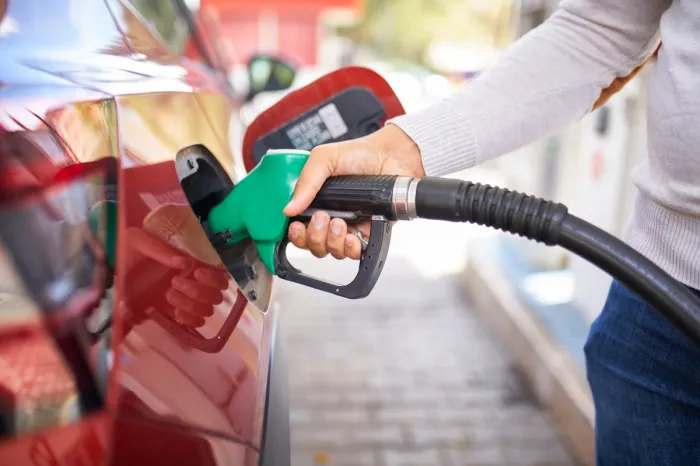
In California’s tightly contested governor’s race, Chevron has taken center stage as a key player shaping discussions around gasoline supply and climate change policies. Founded over a century ago in the state, Chevron remains one of the largest producers and refiners of petroleum products in California, controlling two of the six refineries that supply about one-third of the state’s gasoline. This significant presence underscores the ongoing tension between sustaining energy infrastructure and pursuing aggressive environmental goals.
California consumes roughly 13 billion gallons of gasoline annually, and despite efforts to reduce fossil fuel use, gasoline consumption has only dropped by about 15 percent since 2004. The state’s push toward electric vehicles and stricter climate regulations is expected to accelerate this decline, but the transition remains complex given current energy demands. Chevron’s role in this landscape highlights the challenge of balancing economic stability with environmental responsibility.
The governor’s race reveals starkly different approaches to Chevron and Big Oil. Democratic frontrunner Xavier Becerra has faced criticism for accepting campaign donations from Chevron, leading opponents to question his closeness to the oil industry. Becerra defends his stance by pointing out California’s current dependence on gasoline and the difficulties involved in rapidly shifting away from fossil fuels. His campaign advocates for a pragmatic strategy that weighs affordability and energy reliability alongside climate initiatives.
In contrast, Becerra’s main competitor, Tom Steyer, has made confronting Big Oil a central theme of his campaign. Steyer calls for measures like capping refinery profits, investigating soaring gas prices, and taxing private jet fuel. He also supports building up oil reserves to cushion the impact of inevitable refinery closures as demand falls. However, Steyer’s previous investments in fossil fuels have complicated perceptions of his environmental commitment.
Outgoing Governor Gavin Newsom has implemented policies targeting the oil industry, including laws aimed at preventing price gouging and restricting fracking. These regulations have raised costs for refiners such as Chevron and contributed to refinery shutdowns, fueling concerns about the stability of gasoline supplies. As a result, California imports a considerable share of its gasoline from Asia, exposing the state to risks from global market fluctuations.
Energy experts emphasize that managing California’s transition away from fossil fuels requires strategic planning rather than reactive measures following refinery closures. Proposals have emerged suggesting state ownership or direct management of critical refineries to maintain steady fuel supplies during this shift. Without such foresight, the state could face worsening fuel shortages and price volatility.
As voters prepare for the June primary election, debates over gasoline availability, fossil fuel dependence, and climate policy remain front and center. The next governor will face the daunting task of navigating these intertwined challenges—ensuring affordable energy access while advancing ambitious environmental objectives in one of America’s most energy-dependent states.