
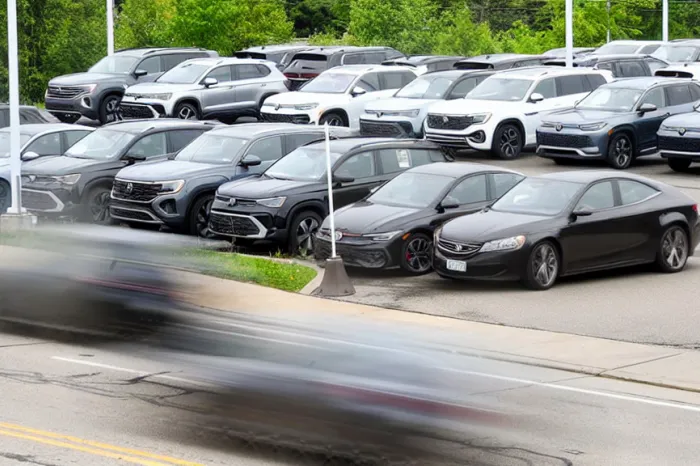
The recent surge in natural gas and gasoline prices is impacting consumer behavior, particularly in the automobile market. Since early March, gas prices have climbed significantly, making driving more expensive and influencing decisions around vehicle purchases. However, rather than boosting sales of fuel-efficient cars, the overall trend shows a decline in new vehicle sales across regions including Pittsburgh, Pennsylvania, and nationwide.
Data from the Greater Pittsburgh Automobile Dealers Association reveals an 8.8% drop in car sales so far this year compared to 2025, with April alone experiencing a sharp 14% decrease. Experts note that it is difficult to isolate the effect of rising gasoline prices from other factors such as geopolitical tensions, changes in electric vehicle (EV) tax credits, tariffs, and overall economic uncertainty. These combined influences have dampened consumer confidence, leading many to delay large purchases like cars.
Nationally, new vehicle sales fell in April as predicted by industry analysts at Cox Automotive. The forecast for total vehicle sales in 2026 has been revised downward to 15.9 million units from an earlier estimate of 16.1 million. Analysts attribute this decline not only to higher fuel costs but also to broader concerns including the ongoing conflict involving Iran and Israel, which has contributed to energy price volatility.
In Pennsylvania, the average price for a gallon of regular gasoline reached $4.637 by mid-May, up from $3.301 a year earlier. Southwestern counties around Pittsburgh face even higher prices, with averages nearing $4.90 per gallon of unleaded fuel. Despite these increases, consumers are not showing a strong shift toward more fuel-efficient vehicles. Kelley Blue Book reports that American buyers typically do not change their purchasing habits quickly based on short-term spikes in gas prices.
Vehicle experts suggest that many consumers expect fuel prices to fall again and therefore either postpone buying or continue purchasing their preferred models rather than switching to hybrids or electric vehicles solely due to price concerns. The rise in hybrid vehicle sales is largely attributed to automakers producing more hybrids in response to regulatory requirements rather than a direct response from buyers seeking better fuel economy.
Dealers in Western Pennsylvania note that cold weather earlier this year also contributed to slower sales as potential buyers delayed purchases. While some dealers believe gasoline prices have not yet significantly hurt sales, they warn that a prolonged period of high fuel costs could change buyer behavior more dramatically. Manufacturers like Honda and Toyota may benefit if elevated prices persist due to their broad offerings of efficient models.
Overall, consumer patience and tolerance for high energy costs will be key factors determining future trends in automobile sales. With multiple economic pressures at play alongside natural gas and gasoline price increases, the automotive market faces ongoing uncertainty as buyers weigh affordability against their transportation needs.