
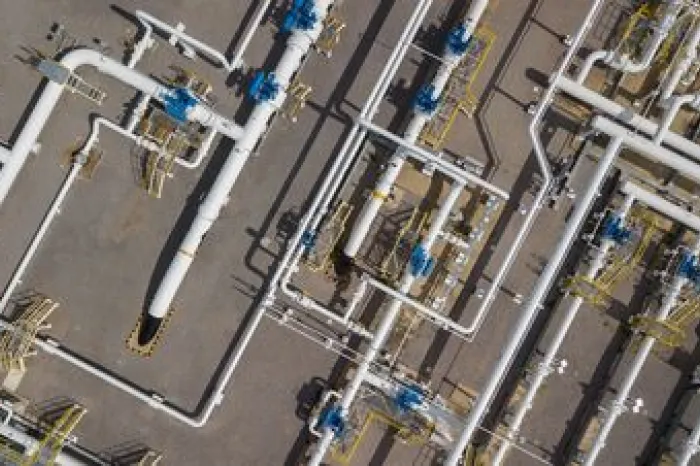
The Federal Energy Regulatory Commission (FERC) has taken a significant step toward reforming the regulatory framework governing natural gas infrastructure in the United States. On May 21, 2026, FERC voted unanimously to propose major changes to its blanket certificate program, which streamlines approvals for pipeline projects. This proposal marks the most substantial update in two decades and is expected to impact all sectors involved in natural gas production, transportation, and liquefied natural gas (LNG) operations.
Under current regulations, interstate natural gas pipelines must obtain FERC authorization before constructing or modifying facilities. This process involves detailed applications, environmental reviews, and public comments, often taking years and costing millions of dollars. The blanket certificate program, established in 1982, was designed to simplify approvals for smaller projects by allowing pipeline companies to proceed without full case-by-case review if projects fall below certain cost limits.
However, these cost thresholds have not kept pace with inflation and rising construction costs since their last update in 2006. For example, the automatic authorization limit remains at $14.5 million, while the prior notice threshold is $41.1 million—figures that no longer reflect current market realities. As a result, many routine upgrades now require lengthy and costly full reviews.
The new Notice of Proposed Rulemaking (NOPR) aims to address these issues by more than doubling these cost limits. The automatic authorization threshold would increase to $30 million, while the prior notice limit would rise to $86 million. Additionally, the proposal would expand the types of projects eligible for streamlined approval, including certain compressor station upgrades and meter station work that previously required full FERC approval regardless of cost. Notably, this overhaul would extend blanket certificate procedures to some LNG facility activities for the first time.
FERC Chairman Mark Christie emphasized that enhancing natural gas infrastructure is critical to ensuring grid reliability amid growing energy demands. The unanimous vote reflects a strong consensus that current regulations hinder timely infrastructure development needed for energy security.
This regulatory update holds wide-reaching implications across the natural gas industry. Pipeline operators stand to benefit from reduced project timelines and lower regulatory expenses as more routine projects qualify for streamlined approval. LNG developers could see faster permitting processes for terminal upgrades, improving their ability to meet global demand amid ongoing supply disruptions in key regions like the Strait of Hormuz.
Upstream producers and large industrial consumers will also gain from improved pipeline capacity and reliability. Faster infrastructure development can alleviate bottlenecks in major production basins such as the Permian and Appalachian regions, supporting steady market access and potentially lowering costs for industries reliant on natural gas supplies.
Service providers involved in pipeline construction and maintenance are likely to experience increased activity due to accelerated capital deployment enabled by these regulatory changes. Moreover, recent environmental rules targeting flaring have already driven midstream companies to expand gas capture capabilities; a more efficient permitting process further encourages infrastructure investments.
While the NOPR represents a major shift toward a more favorable regulatory environment for natural gas infrastructure, it remains a proposal subject to public comment and potential revision. Stakeholders including environmental groups, landowners, and state regulators will have opportunities to provide input before FERC finalizes the rule. Key issues expected during this period include environmental review standards for projects moving from full review to blanket authorization, protections for landowners regarding eminent domain rights, and how project costs will be treated in rate structures.
Meanwhile, a temporary waiver implemented in June 2025 that raised blanket certificate cost limits remains effective until replaced by a final rule, offering immediate relief for certain projects.
Overall, FERC’s proposed overhaul signals a clear policy direction aimed at removing regulatory barriers that have slowed natural gas infrastructure development. In light of recent geopolitical events affecting energy supply stability, this regulatory shift underscores the critical role of natural gas in America’s energy future. Industry participants are advised to engage actively during the comment period to help shape a final rule that supports timely infrastructure growth while balancing environmental and stakeholder concerns.