
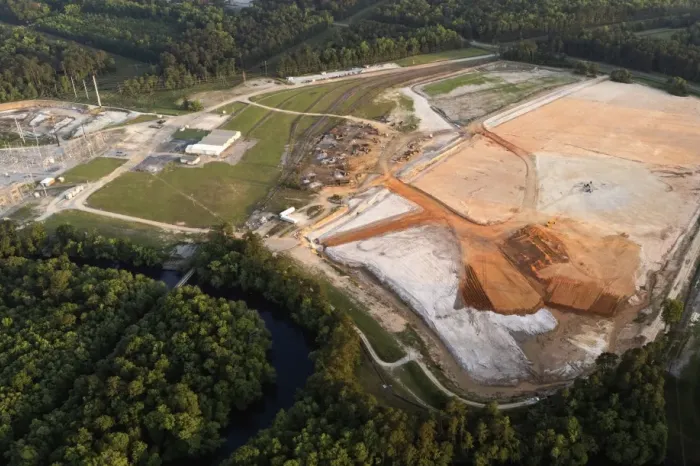
South Carolina’s Public Service Commission has unanimously approved the construction of a new natural gas power plant, known as Canadys Station, in rural Colleton County. The project, a collaboration between Dominion Energy and state-owned Santee Cooper, aims to address the state’s growing energy demand by providing approximately 2,200 megawatts of electricity—enough to power over one million homes. Despite the approval, the project has faced significant opposition from local residents and environmental groups concerned about rising costs and potential harm to the surrounding ecosystem.
The Canadys plant will be built on the site of a former coal power facility approximately 40 miles northwest of Charleston, situated along the Edisto River within the ACE Basin watershed. Officials emphasize that repurposing this brownfield site will minimize land disturbance and allow efficient connection to existing transmission infrastructure. Dominion Energy and Santee Cooper highlight that the plant will use advanced combined-cycle technology with state-of-the-art environmental protections to balance energy production with ecological responsibility.
Construction of Canadys is expected to generate hundreds of jobs during its building phase and provide long-term employment opportunities once operational. The $5 billion price tag has doubled from earlier estimates, sparking concern among critics who fear escalating utility bills for consumers. To supply fuel for the plant, a new 71-mile underground natural gas pipeline will be constructed from Georgia through Hampton and Colleton counties. This pipeline project has intensified local opposition due to its potential impact on nearly 200 property owners and sensitive environmental areas.
Environmental organizations such as the Southern Environmental Law Center, Sierra Club, Savannah Riverkeeper, and Coastal Conservation League have voiced strong objections. They warn that expanding natural gas infrastructure could damage the ACE Basin’s unique estuary environment and contribute to increased pollution over decades. Additionally, these groups criticize utilities for delaying commitments to retire aging coal plants that Canadys is intended to replace, potentially increasing overall emissions and costs.
Regulators held multiple hearings where community members expressed worries about both economic and environmental consequences. While the Public Service Commission approved the project with a 7-0 vote, it imposed requirements for quarterly cost reporting to monitor construction expenses more closely. Advocates argue that South Carolina needs new energy resources to support economic growth and reliability. However, opponents urge the state to invest more aggressively in cleaner energy alternatives instead of expanding fossil fuel infrastructure.
As Dominion Energy and Santee Cooper move forward with further regulatory steps, public scrutiny remains high. The debate surrounding Canadys highlights broader challenges in balancing energy needs, environmental protection, and affordability as states transition their power grids. With an expected operational date around 2030, all eyes will be on how this project shapes South Carolina’s energy landscape in the coming decade.