
The United States continues to experience significant growth in natural gas production and residential consumption, highlighting the sector’s crucial role in the nation’s energy landscape. Recent developments in North Dakota’s Bakken region and nationwide utility trends demonstrate both opportunities and challenges for the industry.
At the 2026 Williston Basin Petroleum Conference, industry leaders emphasized the rapid increase in natural gas production within the Bakken oil fields. However, this boom comes with infrastructure challenges, particularly a shortage of pipelines to transport the gas efficiently. Without adequate pipeline capacity, excess natural gas is often flared off or rerouted, which raises environmental and economic concerns.
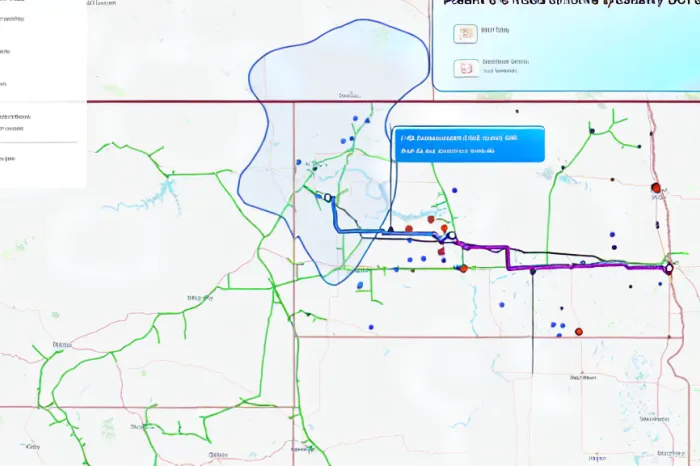
To address these issues, plans are underway for the Bakken East pipeline project. This high-pressure pipeline would stretch from Watford City to Fargo, marking North Dakota’s first large-scale system dedicated exclusively to natural gas. The project is scheduled in two phases: connecting Watford City to northern Bismarck by November 2029, followed by completing the line to Fargo by November 2030. Experts predict that once operational, this infrastructure could generate over a billion dollars annually in tax revenue and help sustain thousands of jobs by keeping oil rigs active.
Justin Kringstad, executive director of the North Dakota Pipeline Authority, highlighted the state’s unique position to achieve “absolute abundance” in natural gas supply within ten years, provided that all stakeholders can reach agreements on the project. Beyond supporting oil production, the pipeline would enhance power supply reliability and open industrial opportunities for communities along its route that historically lacked access to natural gas.
Meanwhile, across the country, residential natural gas utilities continue to expand steadily. According to Energy Information Administration (EIA) data, more than 73.7 million U.S. households received natural gas services in 2024. This figure represents an increase of nearly 587,000 new residential consumers compared to the previous year. Over the past decade, residential customers grew from 67.2 million in 2014 to 73.7 million in 2024, reflecting a consistent annual growth rate of approximately 0.9%.
States leading this expansion include California with 11.4 million households served, Texas with 5.3 million, and New York with 4.6 million. Texas also recorded the largest net growth over ten years with over 839,000 new consumers, followed by California and North Carolina. The spread of fuel choice legislation in 27 states further supports consumer access to natural gas by preventing bans on natural gas connections in new buildings.
While fuel choice laws contribute to maintaining demand, demographic shifts such as population growth and housing development remain critical factors driving increased consumption. Industry experts note that natural gas remains a vital energy source for heating and cooking across millions of American homes.
The combined momentum of expanding production infrastructure in resource-rich regions like the Bakken and growing residential utility networks nationwide underscores a positive outlook for U.S. natural gas supply and consumption. As long-term projects like the Bakken East pipeline come online and utilities continue to serve more households, natural gas is expected to remain a key component of America’s energy mix for years to come.