
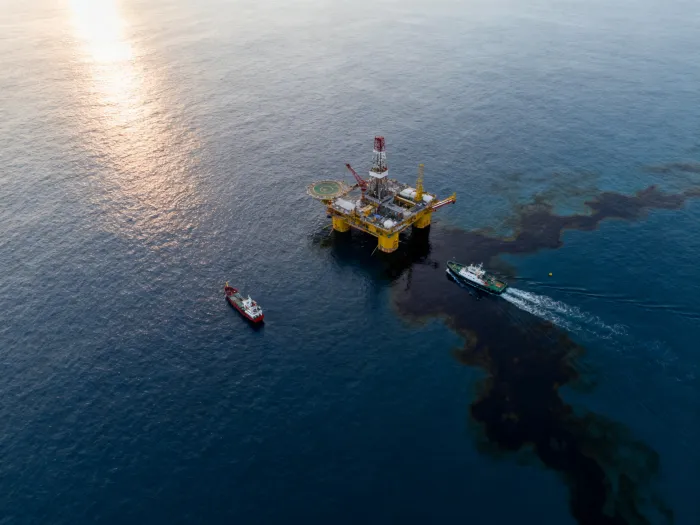
Recent satellite and vessel tracking analyses have revealed a persistent pattern of oil pollution in Brazil’s offshore waters, raising concerns about the nation’s environmental stewardship and global reputation. The non-profit organization SkyTruth, which specializes in using satellite imagery to address environmental challenges, has released a comprehensive report identifying 179 probable oil slicks in Brazilian waters since 2017. Of these, 48 slicks have been directly linked to oil and gas infrastructure, while the remainder are associated with vessels supporting the industry. Notably, a single production and storage vessel operating in the Santos Basin, located off Brazil’s southeastern coast, was identified as the source of nine separate slicks.
The evidence presented by SkyTruth points not only to routine operational discharges but also to broader patterns of chronic pollution that threaten marine ecosystems. John Amos, CEO of SkyTruth, emphasized that these findings illustrate ongoing environmental harm: “The patterns we’re documenting – chronic oil pollution, coastal industrialisation, habitat loss and degradation – represent significant threats to Brazil’s coastal ecology and economy.”
Flaring and Overlapping with Protected Areas Raise Further Concerns
Beyond oil slicks, SkyTruth’s analysis highlights another dimension of environmental risk: extensive flaring of natural gas. Since 2012, offshore facilities have flared an estimated 12.5 billion cubic metres of gas. Flaring not only contributes to greenhouse gas emissions but also undermines efforts to reduce climate impacts associated with fossil fuel extraction. Furthermore, the report notes that several polluting sites overlap with marine protected areas, compounding risks to biodiversity and undermining conservation efforts.
As Brazil prepares to host COP30, the next United Nations climate summit, its record on fossil fuel production and environmental protection is under international scrutiny. The dual pressures of economic development through energy production and the need for robust environmental safeguards have become focal points for both domestic debate and global concern.
Political Debate Intensifies Amid International Criticism
The controversy surrounding Brazil’s offshore oil sector has also taken center stage at major international forums. During the United Nations Ocean Conference (UNOC) in June, delegates from various nations criticized what they saw as contradictions in President Luiz Inácio Lula da Silva’s administration. While President Lula publicly supports Indigenous rights and environmental protection, his government has pushed forward with new oil exploration projects near sensitive areas such as the mouth of the Amazon River.
Luene Karipuna, a member of the Karipuna Indigenous people from Amapá in northern Brazil, voiced her concerns at UNOC: “The project threatens not just the environment but how the Indigenous people live. Here [at UNOC], Lula is saying he supports Indigenous rights. But Lula has pushed for this project.” This sentiment echoes broader apprehensions among Indigenous communities who feel their livelihoods are being placed at risk by energy policies.
In October, Brazilian authorities approved exploration activities in the Foz do Amazonas region at the mouth of the Amazon River. The decision was hailed by Jean Paul Prates, CEO of state-run oil giant Petrobras, as an “achievement for Brazilian society.” However, this stance was sharply criticized by environmental coalitions such as Climate Observatory (Observatorio do Clima), which argued that such approvals undermine Brazil’s credibility as host of COP30 and threaten global climate goals.
Civil Society Groups Mobilize Legal Action
The unfolding controversy has galvanized a wide coalition of civil society groups—including environmental organizations, Indigenous peoples, and quilombola communities (descendants of enslaved Africans brought to Brazil)—to take legal action against the government’s exploration policies. According to John Amos from SkyTruth, one aim of their study was to draw attention to these collective efforts: “Part of our motivation was to call attention to the large coalition… who have sued Lula’s government to overturn the [exploration] decision.”
Groups like Observatorio do Clima are working not only to challenge current policies but also to outline alternative paths for Petrobras and Brazil’s broader energy industry—options that would prioritize sustainable development while protecting vulnerable ecosystems and communities. As Brazil stands at a crossroads between economic ambitions tied to fossil fuels and mounting calls for environmental accountability, the outcome of this debate will likely shape both national policy and international perceptions for years to come.