
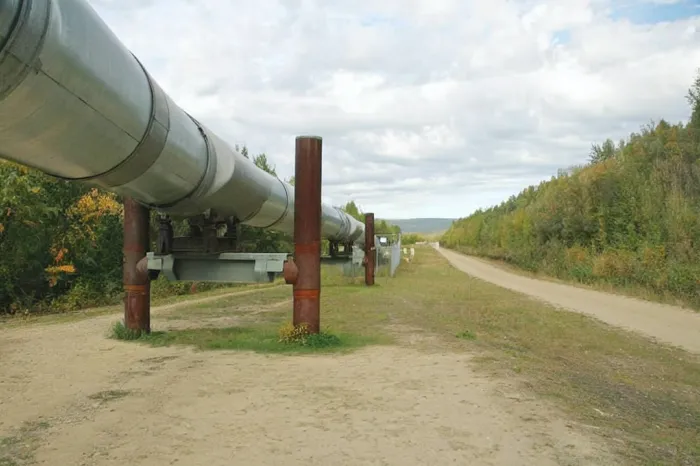
The Alaska Senate is nearing a critical deadline in a special legislative session focused on a proposed tax break for a major natural gas pipeline project. The bill, which passed the Alaska House with strong support, faces uncertainty in the Senate, where members of the bipartisan majority coalition have yet to secure enough votes to bring it to the floor for a full vote.
The pipeline project, led by Glenfarne Alaska LNG, is expected to cost as much as $54.5 billion and aims to transport natural gas from the North Slope to Southcentral Alaska. Proponents argue that a significant tax break is necessary to make the project financially viable and attract investment. Glenfarne officials have warned that shortening the length or reducing the size of the proposed tax break could jeopardize financing.
Senate members are divided on the issue. Some senators support the House-passed bill but want technical amendments, while others express concerns about the state’s financial exposure and whether the tax cuts are justified. The bill proposes replacing Alaska’s current 2% petroleum property tax with a smaller tax on gas flowing through the pipeline for 30 years, which would reduce state revenue but is seen as essential by project developers.
During recent committee hearings, lawmakers questioned Glenfarne and representatives from the Alaska Gasline Development Corporation about risks if the project fails. Glenfarne’s president assured senators that only investors would bear losses if the pipeline does not move forward, and that the state would not be financially liable. However, some senators remain cautious, citing uncertainties about potential cost overruns and long-term impacts on state revenues.
Another major point of debate is how large a tax break is truly necessary. Some senators, including Democrats like Bill Wielechowski, question whether any tax reduction is needed at all. Others acknowledge that some form of relief is required but want clearer evidence from Glenfarne regarding the amount needed to make the project feasible.
With the special session set to end on Friday, Senate leaders are under pressure to resolve these differences quickly. The Senate Finance Committee plans to hold further hearings before possibly advancing the bill. Meanwhile, discussions continue about how veto decisions on unrelated bills by Governor Mike Dunleavy might influence legislative cooperation on this high-profile issue.
The urgency of these debates is heightened by forecasts showing that Southcentral Alaska may face natural gas shortages as early as 2031. The pipeline could help meet growing demand at competitive prices compared to imported gas. Preliminary agreements between Glenfarne and local utilities aim to cap prices for consumers, adding another layer of complexity to legislative decisions.
As time runs out, senators are weighing both economic risks and potential benefits for Alaska’s energy future. Whether they reach consensus on the tax break will determine if this massive infrastructure project moves forward or stalls amid political uncertainty.