
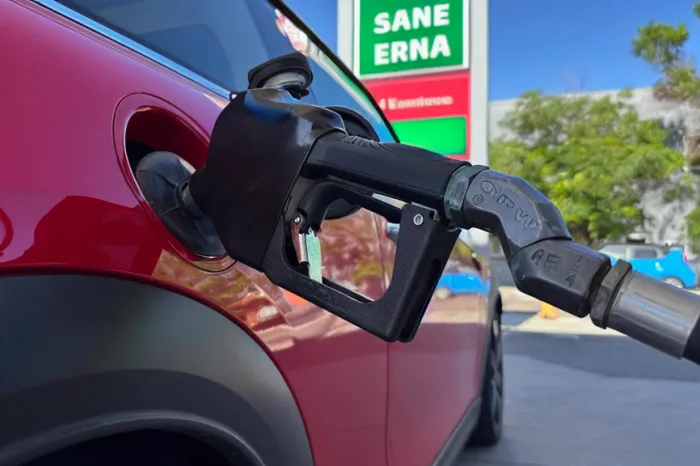
Gasoline prices and supply patterns in the United States and Europe are shifting noticeably as demand intensifies and market conditions evolve. In Michigan, the cost of regular unleaded gasoline has increased slightly by two cents from last week, reaching an average of $4.19 per gallon. Despite this modest rise, current prices are still about 70 cents lower than they were a month ago. However, motorists continue to pay significantly more compared to last year, with prices now $1.10 higher. Filling up a typical 15-gallon tank in Michigan costs approximately $63, which is around $12 above the peak price recorded last August.
Data from the Energy Information Administration (EIA) indicates that US gasoline demand has grown recently, rising from 8.59 million barrels per day to 8.73 million barrels per day. Production has also increased, averaging 9.7 million barrels per day last week. Despite higher output, crude oil inventories have decreased by 7.2 million barrels, pushing total US crude supplies to roughly 5% below the five-year seasonal average. At the same time, West Texas Intermediate (WTI) crude oil prices fell by $2.83, closing at $84.88 per barrel.
Within Michigan’s major cities, gasoline prices vary notably. Metro Detroit’s average price climbed to $4.25 per gallon, while Ann Arbor reported some of the highest costs at $4.27 per gallon. In contrast, Marquette offers the most affordable rates at about $4.00 per gallon. To ease the financial burden on drivers, AAA recommends several strategies such as combining errands to reduce unnecessary trips, shopping around for better prices, paying with cash when possible, reducing vehicle weight, driving more conservatively, and participating in fuel rewards programs.
Meanwhile, across the Atlantic in Europe, gasoline exports to the United States have dropped sharply to levels not seen since 2020. This decline is tightening supply in the US just as summer driving season approaches—a time when fuel consumption typically surges. The reduction in European gasoline shipments comes at a moment when US gasoline inventories are at their lowest for June since 2014.
This downturn in imports places additional pressure on the US gasoline market during a critical period of rising demand. Industry experts warn that these combined factors—growing domestic consumption and shrinking international imports—could lead to tighter gasoline availability and upward pressure on prices across North America in the weeks ahead. The situation underscores how interconnected and volatile global gasoline markets remain.
As these market dynamics unfold, consumers are advised to monitor local gas prices closely and adopt fuel-efficient habits to help offset rising costs. The balance between US production levels, inventory status, and international trade flows will be key determinants of gasoline price trends and supply stability throughout the summer months.