
The Alaska House of Representatives has taken a major step forward by passing legislation that introduces a new tax structure aimed at supporting the Alaska LNG Project, a key initiative to develop the state’s vast natural gas resources. Governor Mike Dunleavy praised the House for approving House Bill 381, which replaces the existing property tax system with a volume-based tax on natural gas transported through the proposed pipeline. This change is designed to create a more predictable and competitive fiscal environment for the project, encouraging investment and economic growth.
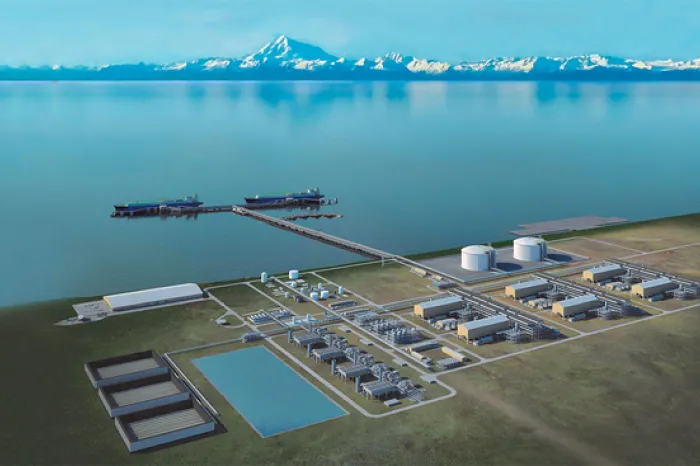
The bill offers an estimated 85% tax cut over 30 years by taxing the volume of gas shipped rather than the property value of infrastructure. This new approach is intended to reduce financial burdens on the project during its early stages, making it more attractive to investors and developers. The Alaska LNG Project involves building an 807-mile pipeline from the North Slope to the Kenai Peninsula, along with industrial plants that will process and liquefy natural gas for shipment to international markets, primarily in Asia.
Governor Dunleavy highlighted the project’s potential to transform Alaska’s economy by unlocking stranded natural gas reserves on the North Slope. He emphasized that it would create thousands of construction jobs, support local businesses, generate billions in private investment, and enhance energy security for Alaskan communities. The governor expressed optimism that this legislation would send a clear signal that Alaska is committed to developing its natural gas resources responsibly and sustainably.
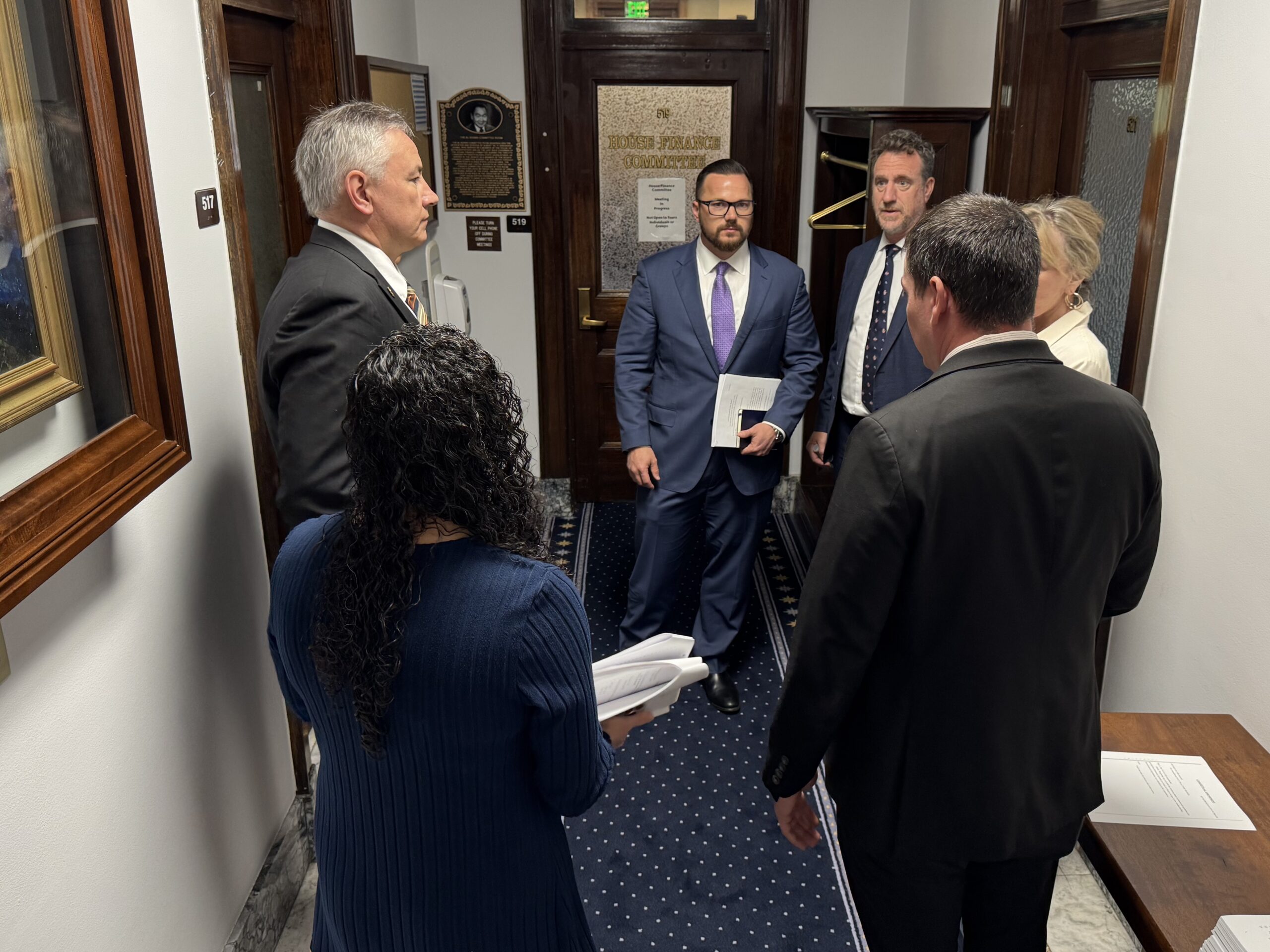
While the House showed strong bipartisan support for the tax reform bill, its passage in the Senate remains uncertain. Some Senate leaders have voiced concerns about risks to state revenues and natural gas consumers in Alaska. The legislature is operating under a tight timeline during a special session that ends June 19, which limits opportunities for extensive negotiations between chambers. Senate Finance Committee members are expected to review and possibly amend the bill before sending it to a full Senate vote.
The project developer, Glenfarne Alaska, emphasized that tax incentives are critical for securing financing and attracting investors. Glenfarne has also proposed safeguards including labor agreements with unions, construction of a pipeline spur to Fairbanks, and an $80 million impact fund to support communities affected by pipeline construction. Additionally, Glenfarne has indicated willingness to cap gas prices for Alaskan consumers to prevent cost overruns from being passed on locally.
Despite these advances, experts caution that pipeline construction is not guaranteed. The project’s economics remain challenging due to high costs and competition from other global natural gas sources. However, supporters argue that without this tax reform, the likelihood of building the pipeline is virtually zero. With it, there is at least a chance to move forward on what many view as a vital opportunity for Alaska’s energy future.
The legislation now awaits Senate consideration. Governor Dunleavy called on senators to continue building momentum and approve the bill promptly so it can be signed into law. If successful, this tax reform could mark a turning point for Alaska’s natural gas industry, opening doors for long-term economic benefits and energy development.