
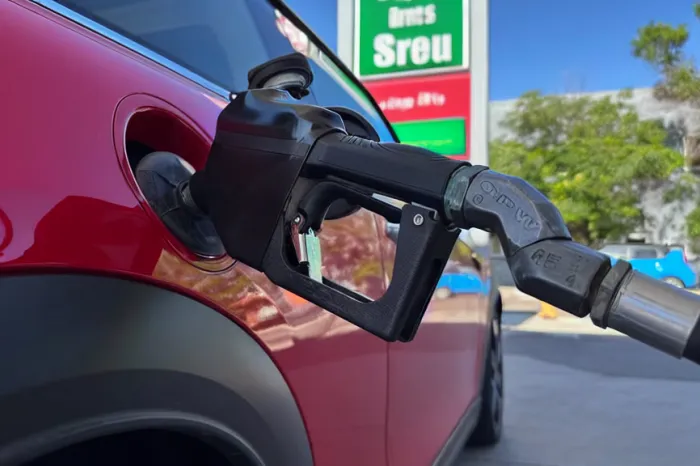
Since the escalation of conflict involving Iran, which has driven gasoline prices upward, American consumers have not stopped spending but are adjusting their buying habits. Retailers and analysts observe that many shoppers are changing how and where they shop, reflecting subtle shifts rather than abrupt cutbacks. These changes include more frequent visits to wholesale club gas stations for smaller fuel purchases and a decline in visits to clothing and furniture stores.
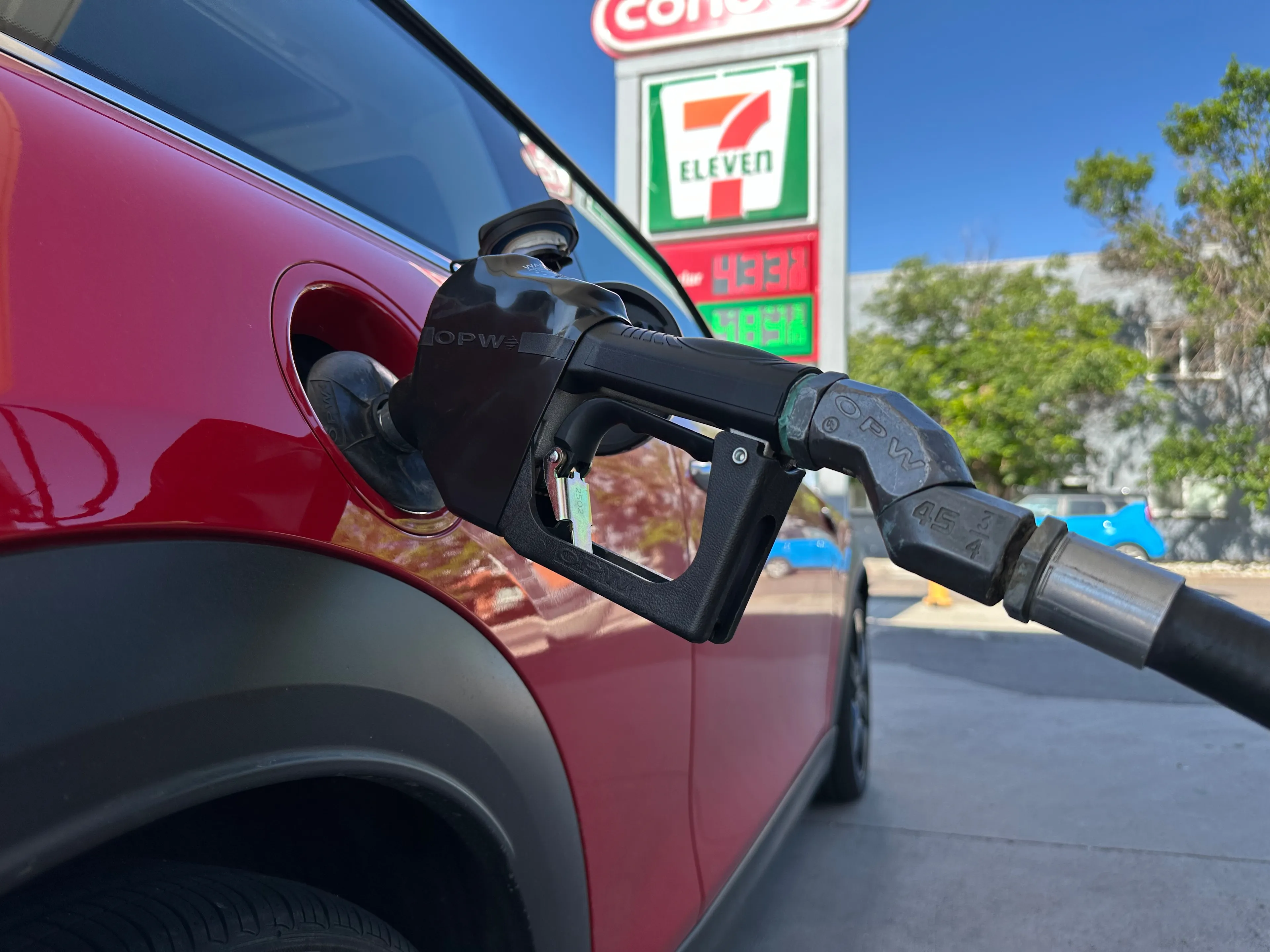
Warehouse clubs like Costco, Sam’s Club, and BJ’s Wholesale Club report increased traffic at their gas pumps. Customers are topping off their tanks more often instead of filling them completely, a behavior Walmart’s Chief Financial Officer John David Rainey describes as a sign of financial stress. Similarly, Costco’s CFO Gary Millerchip notes that members are filling up more frequently due to concerns over fluctuating gas prices. Meanwhile, convenience stores, which sell 80% of the nation’s fuel, have seen a nearly 10% drop in fuel pump transactions and in-store sales over March and April compared to last year.
Higher gasoline costs have also influenced consumer behavior beyond fuel purchases. Many Americans continue dining out, supported by recent income tax refunds; however, spending increases mainly reflect menu price hikes rather than increased customer visits. McDonald’s CEO Chris Kempczinski highlighted that households earning $45,000 or less are reducing fast-food visits, a trend that has intensified since the inflationary period following the COVID-19 pandemic. Restaurant consulting firms confirm that restaurant visits tend to decline as gasoline prices rise, with the impact doubling when gas prices exceed $4 per gallon.
Grocery shopping habits are shifting as well. Consumers are sticking closely to shopping lists and buying bulk meat for freezing while avoiding impulse purchases such as food samples or live demonstrations at stores. Stew Leonard’s supermarket chain president noted these behaviors as clear signs of consumer caution. Dollar General’s CEO Todd Vasos mentioned that rising gas prices have pushed more higher-income customers toward discount retailers, while core shoppers with lower incomes are cutting back on food spending.
Overall retail data indicate a decline in non-grocery product sales by about 6% compared to the previous year. Categories such as housewares, clothing, footwear, and sports equipment saw drops between 5% and 7%, whereas toys and beauty products experienced modest growth. Location tracking data reveal reduced foot traffic in apparel, electronics, and home furnishing stores alongside increased visits to grocery and dollar stores.
Consumers appear to prioritize value-oriented retailers like warehouse clubs and discount chains as they adjust budgets under pressure from rising gasoline costs combined with inflation affecting food, clothing, insurance, and other essentials. These subtle but widespread changes suggest that while spending continues, Americans are becoming more selective about where and how they allocate their money in response to ongoing economic challenges.