
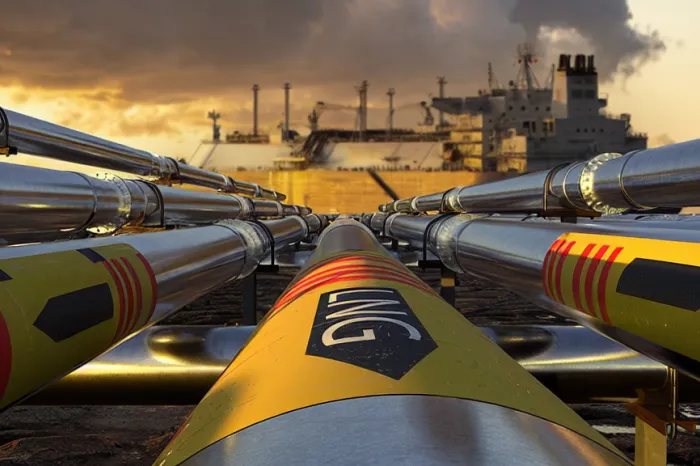
Farmers across Missouri are facing increasing challenges as fertilizer prices surge due to ongoing disruptions in the global natural gas supply. Natural gas is a crucial component in producing nitrogen-based fertilizers, essential for robust crop growth. Recent geopolitical tensions involving Iran have unsettled energy markets worldwide, pushing natural gas prices upward and directly inflating fertilizer production costs.
Impact on Missouri Agriculture
Missouri’s agricultural sector relies heavily on affordable fertilizer to maintain healthy crop yields. The sharp rise in fertilizer costs has compelled many farmers to reconsider their planting plans and budgets. As input expenses grow, profit margins tighten, and the risk of reduced harvests becomes more pronounced. This strain not only affects local farms but also threatens the broader food supply chain, potentially leading to higher food prices for consumers across the nation.
Geopolitical Factors Behind Supply Disruptions
The root cause of these supply interruptions stems from international conflicts that have injected uncertainty into global energy markets. Iran’s involvement in regional disputes has intensified market volatility, causing natural gas prices to soar. Fertilizer producers, faced with escalating raw material costs, have passed these increases on to farmers. This situation highlights a direct link between geopolitical instability and agricultural economics.
Risks to Food Security and Crop Yields
Experts warn that if these trends continue, food security could be compromised. To manage rising expenses, some farmers may cut back on fertilizer use, which can negatively affect crop health and reduce yields. Such measures would impact not only local production but could also have cascading effects on national and global food availability.
Exploring Solutions Amid Immediate Pressures
Industry leaders are investigating alternative energy sources for fertilizer production and methods to enhance fertilizer efficiency. However, these solutions require considerable time and investment, while farmers currently face urgent financial pressures. Policymakers are being called upon to develop strategies that stabilize energy supplies and offer support to the agricultural community during this period of market uncertainty.
In summary, disruptions in natural gas supplies linked to geopolitical tensions have driven fertilizer prices sharply higher, placing significant stress on Missouri’s farmers and challenging agricultural productivity overall. This situation underscores the critical connection between energy markets and food production systems, emphasizing the need for coordinated efforts to secure sustainable agriculture and food security.