
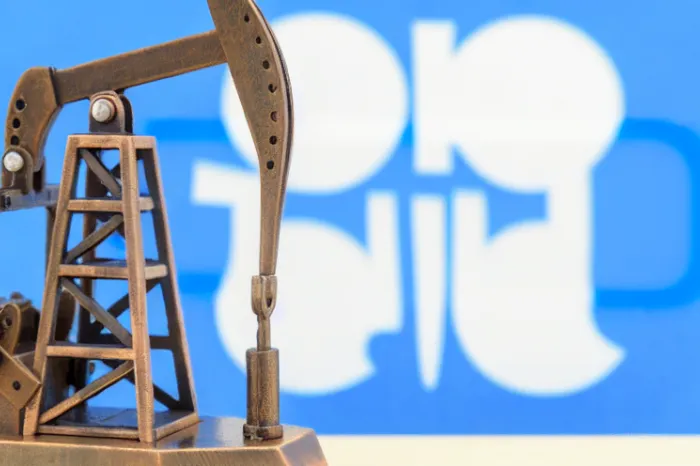
The United Arab Emirates (UAE) announced its decision to leave the Organization of the Petroleum Exporting Countries (OPEC) in 2026, ending nearly six decades of membership. This move marks a significant development in the Gulf region, reflecting growing economic and political rivalries, particularly between the UAE and Saudi Arabia. Both countries, while sharing historical ties and similar governance structures as oil-rich Sunni monarchies, are increasingly diverging in their foreign policies and economic strategies.
Saudi Arabia remains the leading member of OPEC and has long influenced the cartel’s oil production decisions. The UAE’s exit is seen by many analysts as a sign of shifting power dynamics within OPEC and the broader global energy market. Despite accounting for a smaller share of global oil output compared to Saudi Arabia, the UAE’s departure follows similar exits by Angola and Qatar in recent years, raising concerns about the cohesion and future influence of OPEC.
The rivalry between Saudi Arabia and the UAE extends beyond oil policy. Both nations have sought to expand their regional influence but often support opposing factions in Middle Eastern conflicts. For example, in Sudan and Yemen, they have backed different armed groups aligned with their strategic interests. Their views on Iran and Israel also differ significantly; while the UAE has established formal ties with Israel under the Abraham Accords, Saudi Arabia remains cautious and views Israel as a potential threat to regional stability.
Economically, the UAE is ahead in diversifying its economy away from oil dependence, with non-oil sectors making up 77% of its GDP compared to 55% in Saudi Arabia. This economic shift partly motivated the UAE’s decision to leave OPEC, as it seeks more flexibility to manage its energy resources amid global transitions toward renewable energy. Analysts suggest that this move allows the UAE to pursue independent production policies without being bound by OPEC’s agreements.
Market experts have mixed opinions on how this change will affect global oil prices. Some view the UAE’s exit as a minor event given that OPEC controls about 30% of world oil production, with most supply coming from non-OPEC countries. However, others warn that if more members follow suit, it could undermine OPEC’s ability to coordinate production cuts, potentially leading to increased volatility and oversupply in the oil market.
The geopolitical landscape also influences these developments. Both Saudi Arabia and the UAE maintain strong security ties with the United States but are seeking greater strategic autonomy as US focus shifts toward Asia. They share concerns about Iranian influence in the region but differ on how to address it. Additionally, tensions remain over control of important maritime routes like the Strait of Hormuz and the Red Sea.
This realignment signals a broader trend of changing alliances and competition among Gulf states. While cooperation within the Gulf Cooperation Council (GCC) has been limited due to concerns over Saudi dominance, new partnerships are emerging. Some analysts propose that regional alignments might form around Israel-UAE ties on one side and Saudi Arabia-Pakistan-Turkey relations on the other, although these remain fluid.
Overall, the UAE’s withdrawal from OPEC highlights evolving political rivalries and economic strategies in a region critical to global energy supplies. It underscores how geopolitical tensions are reshaping traditional alliances and impacting international markets as Gulf countries navigate an uncertain future.