
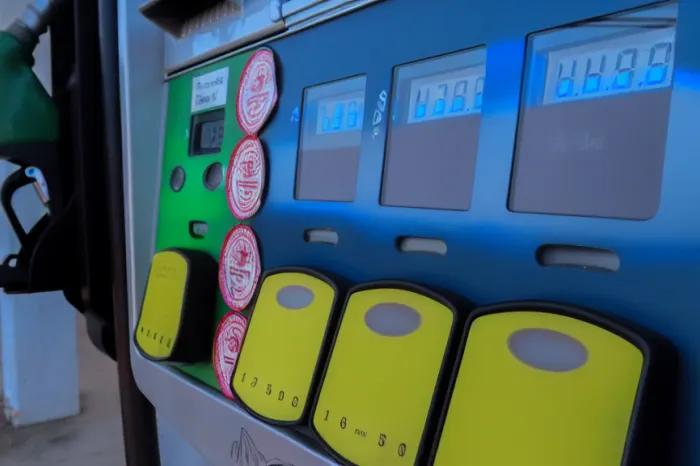
Gasoline prices across the United States have surged to their highest levels in four years, driven largely by disruptions in oil trade linked to geopolitical tensions in the Middle East. With the national average price of gasoline now at approximately $4.46 per gallon, many drivers are feeling the strain, prompting calls from political figures such as former President Donald Trump for a temporary suspension of the federal gas tax. The federal tax, which adds 18.4 cents per gallon to fuel costs, is seen by some as a quick fix to ease the financial burden on consumers.
Despite the appeal of a gas tax holiday, experts warn that such measures may provide only limited relief. Waiving the federal tax would save drivers around 18 cents per gallon, translating to roughly $2.76 on a typical 15-gallon fill-up. However, some of these savings may not reach consumers directly; instead, they could be absorbed by fuel suppliers and gas stations due to market dynamics and existing supply constraints. Additionally, lower prices could increase gasoline demand, potentially exacerbating supply shortages and pushing prices higher again.
Several states have already taken steps to reduce or suspend their own gas taxes to help residents cope with rising costs. For example, Kentucky reduced its gas tax by 10 cents recently, while Georgia implemented and extended a freeze on its state gas tax amid ongoing international conflicts. Yet these tax cuts come at a significant cost to infrastructure funding. Revenues from federal and state gas taxes are crucial for maintaining and repairing roads and highways. The reduction or suspension of these taxes threatens to worsen the condition of transportation infrastructure, which is already facing challenges nationwide.
Reports indicate that nearly 9% of U.S. road miles are in poor condition, with states like Rhode Island and California experiencing particularly high rates of road deterioration. Poorly maintained roads lead to increased vehicle damage and repair costs for drivers. In 2021 alone, pothole-related damages were estimated to cost American motorists over $26 billion.
Compounding these challenges is the fact that the federal gas tax has not been raised since 1993 and fails to keep pace with inflation or increasing maintenance costs. As vehicles become more fuel-efficient and electric vehicles gain market share—vehicles that do not pay gas taxes—the revenue generated from this source continues to decline. This shortfall is expected to reach $17 billion in 2026, forcing Congress to cover highway expenses from general funds.
Alternatives to the traditional gas tax are under discussion, including mileage-based fees and congestion charges. Some states are experimenting with systems that charge drivers based on miles traveled rather than fuel consumed. However, these proposals raise privacy concerns due to tracking technologies involved and have yet to gain widespread acceptance.
Meanwhile, efforts to alleviate gasoline prices through other means have shown limited success. For instance, waivers issued under the Jones Act allowing foreign-flagged ships to transport fuel between U.S. ports aimed to reduce shipping costs and ease supply bottlenecks. Data indicates that while some shipments have occurred under this waiver—particularly benefiting regions like California—the overall impact on national gasoline prices has been minimal due to high freight rates and relatively small volumes moved.
In response to soaring fuel prices in specific areas such as Molokaʻi in Hawaii—where regular unleaded gasoline recently approached $7 per gallon—community initiatives like free rural shuttle services have emerged as practical options for residents seeking relief from transportation costs.
As gasoline prices remain volatile due to global events and structural challenges in infrastructure funding persist, policymakers face difficult decisions balancing immediate relief for consumers against long-term investment needs for road maintenance and transportation safety.