
In recent developments across the United States, natural gas usage is coming under scrutiny amid rising environmental concerns and a growing shift toward renewable energy sources. Two major projects highlight the tension between traditional natural gas power and emerging clean energy technologies.
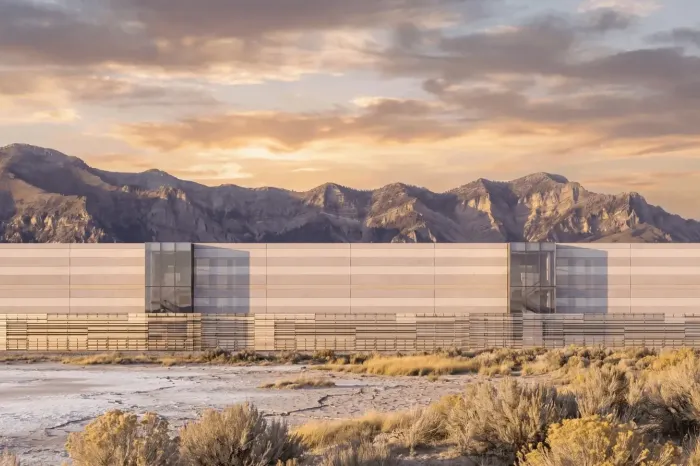
In northern Utah, the proposed Stratos Project, envisioned as one of the world’s largest data centers, initially planned to rely entirely on natural gas for its electricity needs. The project, spanning 40,000 acres near the Great Salt Lake, has sparked significant public opposition due to concerns over air pollution, greenhouse gas emissions, and water consumption. Local residents and environmental advocates have voiced strong objections to the plan, warning that a natural gas-powered plant could increase Utah’s carbon emissions by as much as 64 percent.
Utah’s Republican Governor Spencer Cox has publicly rejected the notion that the data center would be powered solely by natural gas. While acknowledging that natural gas will be used in the first phase, Cox emphasized future phases should incorporate nuclear, geothermal, solar, and other renewable technologies. He also criticized the approval process for lacking transparency and proper oversight. The Military Installation Development Authority (MIDA), responsible for approving and incentivizing the project, has faced backlash for proceeding without sufficient public input or state leadership involvement.
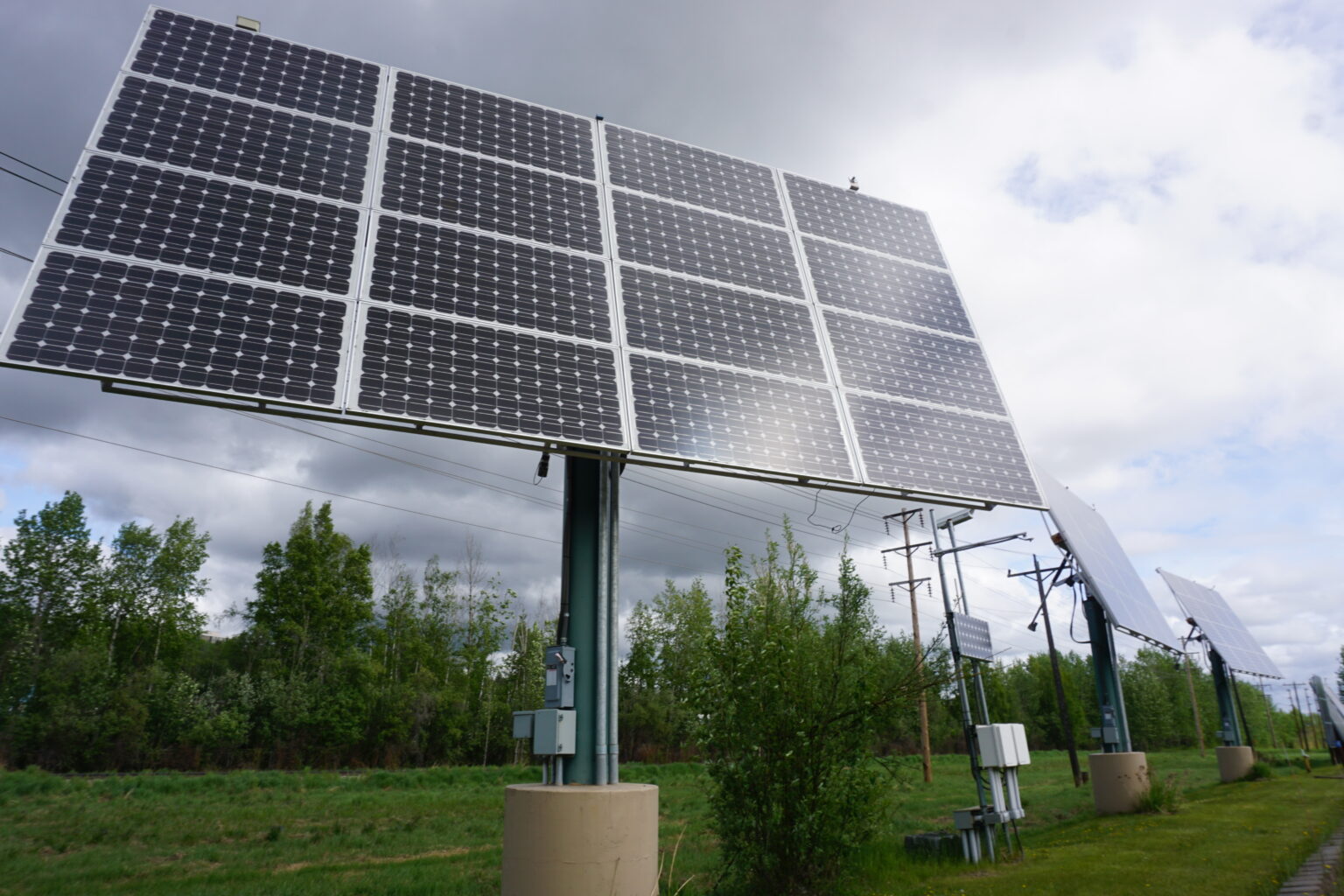
Meanwhile, in Alaska, solar power is emerging as a competitive alternative to natural gas-generated electricity. Anchorage is preparing to build its largest solar farm west of the city this summer. According to Chugach Electric, Alaska’s largest utility company, electricity from this solar installation is expected to cost about the same as power generated from imported natural gas under current price conditions. Given anticipated rises in Cook Inlet natural gas prices, solar energy is projected to become cheaper than natural gas during periods when sunlight is available.
However, challenges remain for solar adoption in Alaska due to limited sunlight during winter months when heating demand peaks. To address this, utility planners are also exploring smaller hydropower projects in Southcentral Alaska to provide complementary renewable energy sources year-round. The transition aims not only to reduce reliance on fossil fuels but also to diversify energy generation methods to enhance reliability and reduce long-term costs.
These contrasting cases from Utah and Alaska illustrate a broader national trend: while natural gas continues to play a role in meeting current energy demands, increasing environmental concerns and economic factors are driving investment in renewables. The rising costs of fossil fuels combined with advancements in solar and other clean technologies are prompting states to reconsider their energy strategies.
As data centers and other large energy consumers expand rapidly with demands fueled by technological growth such as artificial intelligence, states face pressure to balance economic development with environmental sustainability. Policymakers are being urged to improve transparency and public engagement in decision-making processes related to large infrastructure projects.
The evolving landscape suggests that natural gas may serve as a transitional fuel rather than a long-term solution. Increased adoption of renewables like solar, geothermal, and hydroelectric power appears critical for meeting future energy needs while addressing climate change concerns. These shifts highlight ongoing challenges in managing resources responsibly amid growing demand for clean and affordable energy.