
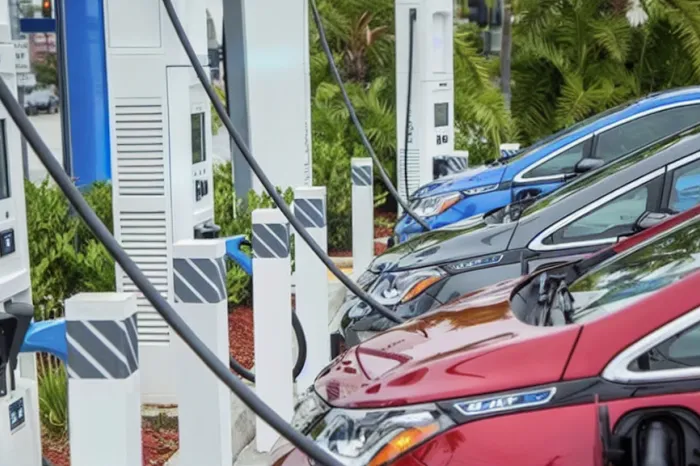
The Pennsylvania Department of Environmental Protection (DEP) has launched a new grant program with nearly $1.44 million in funding aimed at encouraging businesses to reduce their reliance on gasoline by adopting alternative fuel sources. This initiative is designed to accelerate the transition toward cleaner, more sustainable energy options and tackle the environmental impacts associated with gasoline consumption.
David E. Hess, a veteran environmental specialist and former DEP Secretary, highlighted the importance of these grants in helping companies overcome the financial challenges that often accompany the shift to alternative fuel technologies. The program specifically supports fuels such as electricity, biofuels, hydrogen, and other low-emission alternatives that provide viable replacements for traditional gasoline.
Gasoline continues to be a major contributor to air pollution and greenhouse gas emissions, which are driving climate change and adversely affecting public health across Pennsylvania. In response, the DEP’s grant program seeks to promote cleaner fuel use as part of a comprehensive effort to improve air quality and advance environmental sustainability throughout the state.
Recipients of this funding can use the grants to purchase new equipment or upgrade existing infrastructure to accommodate alternative fuels. This could include investing in electric vehicles, installing biofuel-compatible engines, or integrating hydrogen fuel systems. Such investments are expected to speed up the adoption of green technologies across key industries including transportation, manufacturing, and logistics.
This funding initiative aligns closely with broader state and federal goals focused on reducing carbon emissions and supporting clean energy development. By lowering dependence on gasoline, Pennsylvania aims not only to meet environmental targets but also to stimulate innovation and create jobs within emerging green sectors.
Businesses interested in applying for these grants are encouraged to explore how alternative fuels can improve their operational efficiency while contributing to a cleaner environment. The DEP remains committed to providing ongoing support and resources to guide companies through this transition. Overall, this grant program represents a significant move forward in Pennsylvania’s strategy to decrease gasoline use and foster a healthier, more sustainable future for its communities.