
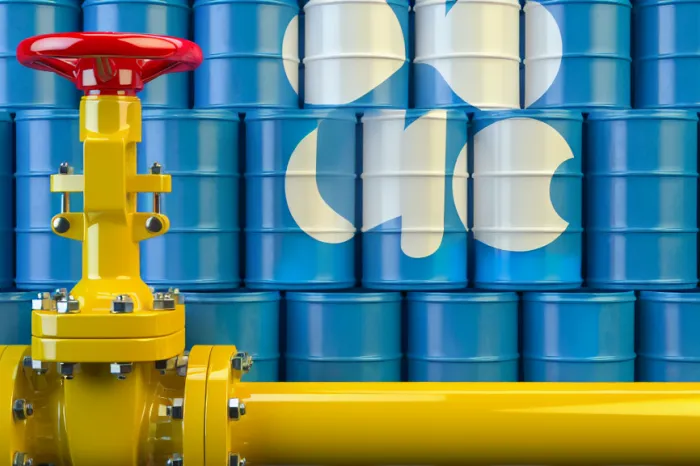
The United Arab Emirates (UAE) officially left the Organization of the Petroleum Exporting Countries (OPEC) on May 1, 2026, ending nearly six decades of membership in the influential oil cartel. This departure marks a significant turning point for OPEC and the global oil market, raising questions about the future balance of power and pricing control within the industry.
OPEC was founded in 1960 by five oil-producing countries to coordinate production levels and stabilize oil prices. Over time, the group expanded to include additional members and allied with non-OPEC producers in the OPEC+ alliance. The UAE, ranked as one of OPEC’s top producers and exporters, has long played a key role in shaping cartel decisions. Its exit comes amid ongoing tensions within the group, especially concerning output quotas and production limits.
Experts view the UAE’s withdrawal as a blow to OPEC’s cohesion and its ability to influence global oil prices. While OPEC controls about 36.7% of the world’s crude oil supply as of 2025, its share has declined from over half in the 1970s. The rise of other producers like the United States and Russia, which are not bound by OPEC quotas, has reduced the cartel’s dominance. The UAE’s departure further weakens OPEC’s collective power, potentially leading to more fragmented production policies and increased market volatility.
The UAE has signaled its intention to accelerate oil production independently, with plans for significant investments totaling $55 billion between 2026 and 2028. This move is likely to increase its daily output by around one million barrels, intensifying competition among major producers. Additionally, reports indicate that the UAE’s national oil company is taking higher risks to export crude amid ongoing geopolitical tensions, including navigating blockades around the Strait of Hormuz by using silent shipping tactics to bypass naval patrols.
The exit also impacts other OPEC members such as Nigeria, Africa’s largest crude producer, which faces increased pressure to adapt to shifting market conditions. Nigeria’s economy heavily depends on oil exports, and disruptions in global supply or pricing instability could hurt its GDP. In response, Nigerian authorities are pushing reforms aimed at diversifying the economy, improving domestic refining capacity, and attracting foreign investment to strengthen resilience against external shocks.
Analysts are divided on how much immediate effect the UAE’s exit will have on global oil prices. Some argue that since OPEC accounts for roughly one-third of global production, losing one member is not critical in the short term. However, others warn that if more members follow suit or if Saudi Arabia loses its leadership grip on OPEC, it could lead to an oversupplied market with downward pressure on prices.
Underlying these developments are broader geopolitical challenges, including an ongoing conflict involving Iran and disruptions around key shipping lanes like the Strait of Hormuz. These factors continue to constrain supply and contribute to price instability worldwide. As OPEC faces internal fragmentation and external competition from non-member producers, its future role as a price-setter appears increasingly uncertain.
In summary, the UAE’s departure from OPEC represents a major shift in the global energy landscape. It underscores growing fractures within traditional oil alliances and signals a move toward more independent national strategies among major producers. How this will reshape global oil markets remains closely watched by governments, investors, and consumers alike.