
The Alaska Legislature has commenced a 30-day special session focused on a proposal to reduce taxes on the planned trans-Alaska natural gas pipeline, aiming to promote its construction. Governor Mike Dunleavy called the session, emphasizing that tax relief is vital for the project’s progress. However, skepticism remains among many lawmakers about the necessity and impact of these tax breaks.
During the recent regular legislative session, attempts to pass tax-cut legislation supporting the pipeline failed. Key legislators expressed concerns over the lack of updated financial details from Glenfarne, the pipeline developer. The most recent cost estimates are over a decade old, and no current figures have been released for the gas prices expected through the pipeline. Senate President Gary Stevens likened the situation to “buying a pig in a poke,” highlighting lawmakers’ desire for clearer financial transparency before committing state resources.
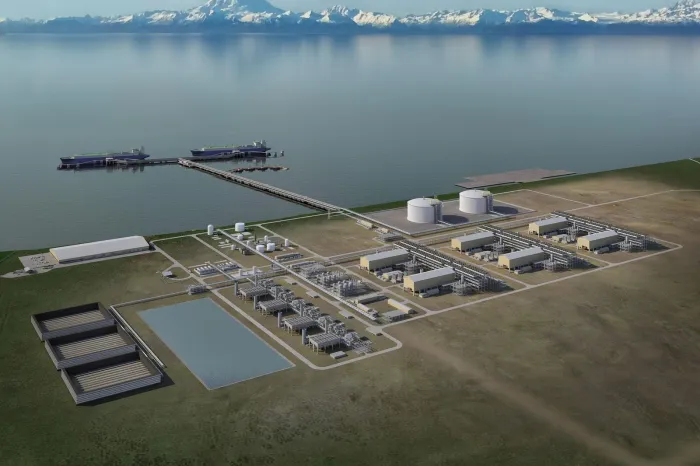
The pipeline project, known as Alaska LNG or AKLNG, plans an 800-mile route from the North Slope to Cook Inlet. It includes a gas treatment plant at the northern end to remove carbon dioxide before transporting natural gas southward. The southern terminus would feature an export terminal on the Kenai Peninsula for shipping cooled gas to markets in Asia and beyond. Glenfarne proposes building the pipeline in two phases: an initial phase focusing on limited in-state gas delivery between 2027 and 2029, followed by a more costly second phase involving full-scale processing and export facilities.
Previous estimates from Alaska Gasline Development Corp., which holds a 25% stake in the project, placed combined costs at $46 billion, but more recent figures suggest expenses may exceed $65 billion. The Alaska Department of Revenue reported that under current petroleum tax rules, natural gas prices would need to be at least $7.63 per thousand cubic feet (mcf) for the project to be viable internationally, with in-state consumers paying around $4.09 per mcf. Governor Dunleavy’s plan would lower these break-even prices by cutting property taxes and introducing a new tax on transported gas, potentially reducing state revenues by $7 billion through 2063 and local government revenues by $13 billion.
Economic forecasts indicate rising demand for Cook Inlet natural gas could soon outpace supply, potentially forcing Southcentral Alaska to import gas at higher costs if AKLNG is not completed. The Department of Revenue estimates imported gas prices could reach approximately $17 per mcf by 2033, AKLNG’s targeted completion year. Despite uncertainties, even a more expensive pipeline might provide cheaper in-state gas compared to imports—provided both construction phases are finished. Partial completion risks substantially higher prices for Alaskan consumers.
Voicing caution, former House Speaker Mike Chenault advised against legislative interference with pipeline statutes, warning that altering terms could discourage investors and jeopardize the project. Meanwhile, Glenfarne CEO Brendan Duval presented mixed messages regarding financing during a recent energy conference. While he claimed sufficient private funding exists for phase one without tax breaks, he later acknowledged that the proposed tax legislation remains a critical condition for full construction.
Senator Bill Wielechowski recalled past statements from Glenfarne representatives suggesting no tax incentives were needed, though such remarks were not officially documented. Duval urged community leaders and legislators to support the tax bill as essential to securing Alaska’s natural gas future.
As debate continues, lawmakers face balancing financial transparency concerns with the economic benefits of developing Alaska’s vast natural gas resources. The outcome of this special session will significantly influence whether Alaska can move forward with one of its largest energy infrastructure projects amid shifting market conditions and fiscal challenges.