
The ongoing conflict involving Iran has significantly altered the dynamics of the global energy market, causing oil prices to surge by nearly 80 percent. The heightened tensions around the Strait of Hormuz, a critical maritime chokepoint through which a large share of the world’s oil supply passes, have raised serious concerns about potential disruptions and the stability of international oil markets.
Geopolitical Implications for Energy Security
A recent panel discussion organized by AL-MONITOR brought together leading energy experts to analyze the impact of these developments. The panel included Carole Nakhle, CEO of Crystol Energy and Secretary General of the Arab Energy Club; Kristian Coates Ulrichsen, Middle East Fellow at the Baker Institute; and Noam Raydan, Senior Fellow at The Washington Institute for Near East Policy. Moderated by Samuel Wendel, Senior Market Research Analyst at AL-MONITOR, the conversation delved into how escalating tensions are affecting not only crude oil prices but also broader geopolitical relations and energy security strategies worldwide.
OPEC Faces Complex Strategic Choices
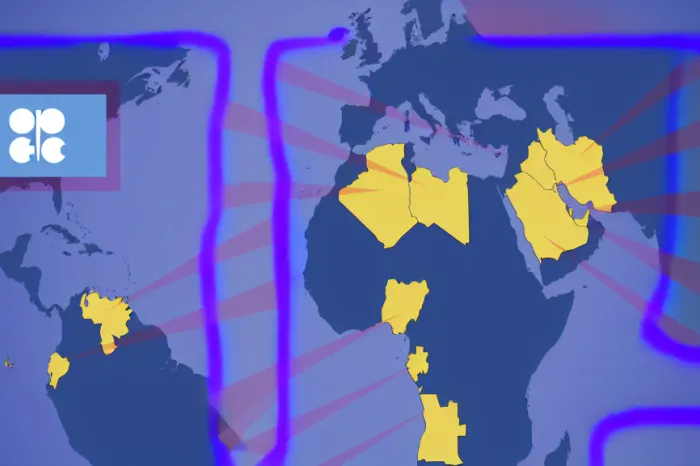
The experts emphasized that OPEC is navigating an exceptionally difficult landscape as it tries to reconcile divergent interests among its member states amid rising geopolitical risks. As a major force in global oil production, OPEC’s coordination efforts are strained by competing priorities: some members push for increased output to capitalize on soaring prices, while others advocate restraint to avoid exacerbating regional instability. This internal discord complicates OPEC’s ability to stabilize markets during this uncertain period.
Rising Demand for Energy Diversification
Beyond crude oil, competition has intensified for liquefied natural gas (LNG) and jet fuel as countries seek alternatives to Middle Eastern pipelines and shipping routes vulnerable to conflict. This trend reflects a broader global shift toward diversifying energy sources and securing supply chains while pursuing longer-term clean energy goals.
Economic Impact on Gulf Producers
Gulf countries, heavily reliant on hydrocarbon exports, face significant economic challenges amid these disruptions. While some may benefit in the short term from higher oil prices, ongoing instability threatens investor confidence and could slow critical reforms aimed at economic diversification and sustainable development.
In summary, the conflict involving Iran is profoundly reshaping global energy markets by driving up prices, exposing vulnerabilities in key transit points like the Strait of Hormuz, and placing new pressures on OPEC’s internal decision-making. These developments underscore the complex challenge policymakers confront in safeguarding energy security amid volatile geopolitical conditions and shifting global energy demands.