
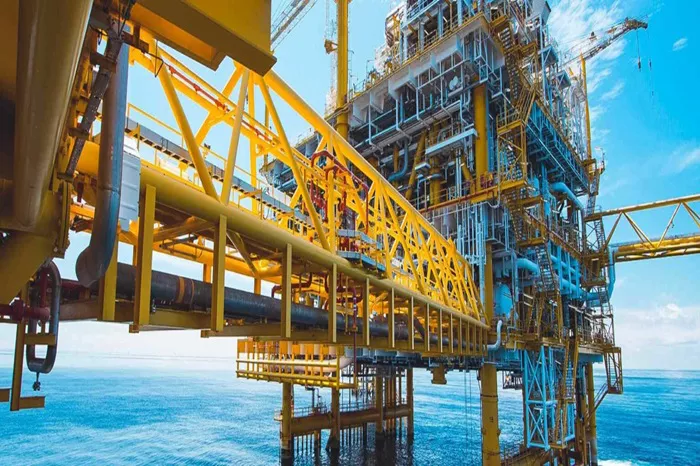
Türkiye is set to begin a significant shale oil drilling operation in the southeastern province of Diyarbakır, according to Energy Minister Alparslan Bayraktar. The project will involve the development of 24 wells distributed across four fields in the region. This initiative marks a major step in Türkiye’s strategy to increase domestic energy production and reduce reliance on foreign resources. Minister Bayraktar also mentioned that similar drilling techniques are under consideration for natural gas extraction in the Thrace region, indicating a broader application of advanced energy exploration methods within the country.
The move comes as Türkiye continues to seek ways to boost its energy independence and meet growing domestic demand. Shale oil reserves have the potential to significantly increase Türkiye’s output, and the government is investing in both technology and infrastructure to support these efforts. The planned wells in Diyarbakır will be equipped with modern drilling technologies designed to maximize extraction efficiency while minimizing environmental impact. Local officials and stakeholders have expressed cautious optimism, emphasizing the importance of balancing economic growth with sustainable development practices.
Expanding Overseas Energy Exploration and Partnerships
Minister Bayraktar provided details about Türkiye’s expanding energy exploration activities abroad. In Libya, negotiations are underway to finalize key agreements that could open new opportunities for Turkish energy companies. This is part of a broader strategy aimed at diversifying Türkiye’s energy sources and establishing stronger international partnerships.
In Azerbaijan, Türkiye has acquired a 30 percent stake in several new fields, including the notable Shafag-Asiman field. This acquisition strengthens bilateral relations and is expected to contribute significantly to Türkiye’s energy supply. In Kazakhstan, Turkish companies are involved in multiple ongoing projects, reflecting deepening ties between the two countries. Additionally, in Pakistan, Türkiye has joined an offshore field and is preparing for upcoming tenders that include both offshore and onshore partnership opportunities.
Minister Bayraktar also addressed operations in Iraq, where current production stands at 15,000 barrels per day. He emphasized the need to increase this output by 10 to 15 times, citing intensive activities in Basra, Kirkuk, and Northern Iraq as key areas of focus. These international initiatives are seen as crucial for ensuring long-term energy security for Türkiye and fostering economic cooperation across regions.
Clarification on Rare Earth Elements and Nuclear Cooperation
Responding to recent claims regarding the sale of rare earth elements to the United States, Minister Bayraktar firmly denied any such transactions. He clarified that the agreement signed with the U.S. pertains solely to nuclear cooperation. According to Bayraktar, if rare earth elements had been part of the deal, both governments would have publicly disclosed it.
Bayraktar highlighted the strategic importance of the Beylikova field located in Eskişehir province. This site contains the world’s second-largest reserves of rare earth elements and was originally discovered by MTA for thorium extraction purposes. The field was transferred to state-owned company Eti Maden in the 1990s, which has since conducted extensive drilling operations spanning more than 125 kilometers over a decade.
The Beylikova field is set to remain under state control, with plans underway to establish an industrial facility next year. A pilot plant was launched in 2020 for purification studies and has been operational since its commissioning in 2023. The ongoing efforts aim to transform this pilot project into an industrial-scale facility within two years, further bolstering Türkiye’s position in critical minerals production.
Progress on Nuclear Power Development
Minister Bayraktar also discussed advancements in Türkiye’s nuclear energy sector. Construction at the Akkuyu Nuclear Power Plant is progressing steadily, with plans for commissioning the first reactor by 2026. This project represents a pivotal element of Türkiye’s long-term energy vision.
Looking ahead, Bayraktar outlined ambitions for substantial growth in nuclear power capacity. By 2050, Türkiye aims to achieve a total nuclear generation capacity of 20,000 megawatts. The government views nuclear power as essential for meeting future energy demands while reducing carbon emissions and supporting sustainable development.
These combined efforts—in domestic shale oil drilling, overseas exploration partnerships, rare earth element production, and nuclear power expansion—reflect Türkiye’s comprehensive approach to securing its energy future through innovation, investment, and strategic planning.
Related topics: